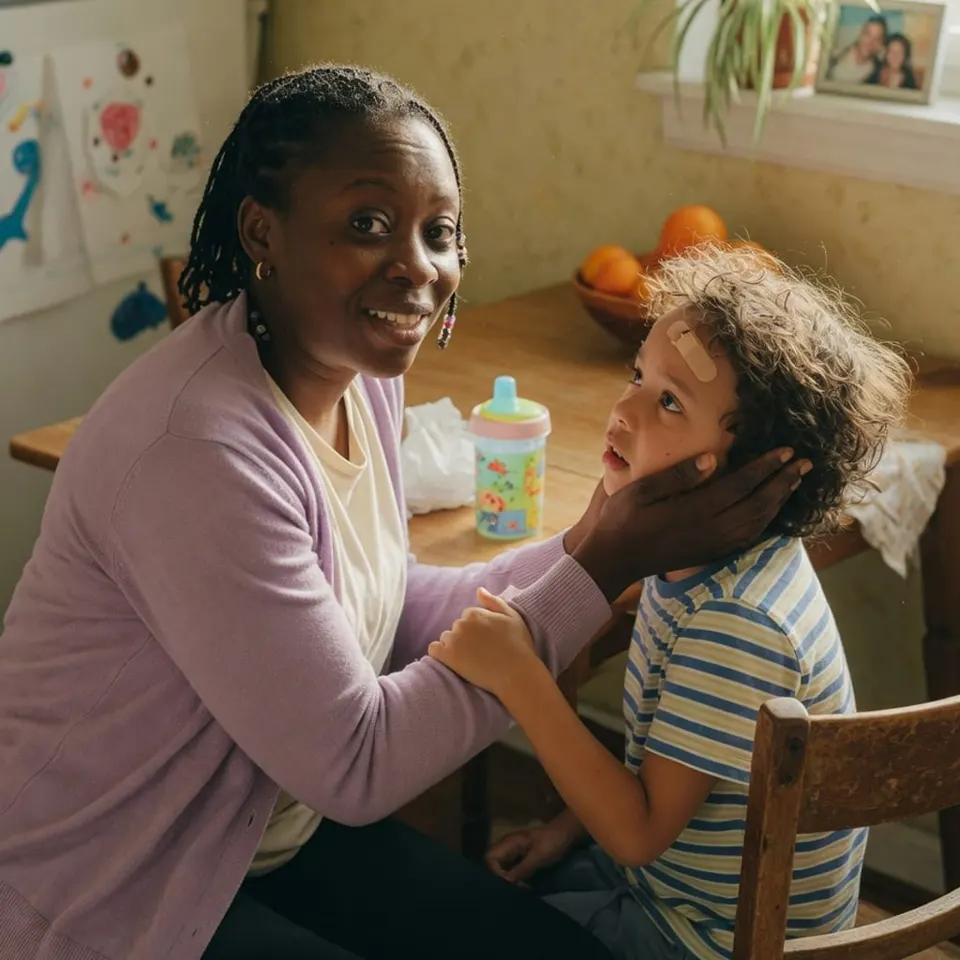
If your child with autism has significant delays in communication, social interaction, or daily living skills, or shows challenging behaviors like aggression or self-injury, ABA therapy may be a good fit. In New Jersey, early intervention is key, and providers like Liftoff ABA offer in-home, BCBA-designed therapy with no waitlists.
Every child develops at their own pace, but when your child has autism, certain delays or behaviors can feel especially concerning. You may wonder: Are these signs of autism, or just a phase? Does my child need therapy? What kind?
Applied Behavior Analysis (ABA) therapy is the gold-standard, evidence-based treatment for autism. It helps children build communication, social, and daily living skills while reducing behaviors that interfere with learning and safety. But knowing when to start can be confusing.
This guide walks through the most common signs that a child with autism may benefit from ABA therapy, with specific resources and guidance for families in New Jersey.
1. Communication Delays That Affect Daily Life
One of the earliest and most noticeable signs is a significant gap in communication. This can look different at different ages.
In toddlers and preschoolers
- No babbling or pointing by 12 months
- No single words by 16 months
- No two-word phrases by 24 months
- Loss of language they previously had (regression)
- Echolalia (repeating words or phrases without apparent meaning)
In older children
- Difficulty starting or sustaining conversations
- Limited vocabulary compared to peers
- Trouble understanding questions, jokes, or sarcasm
- Scripting (reciting lines from TV or movies) instead of original speech
ABA therapy uses proven techniques like mand training (teaching requests) and natural environment teaching to build functional communication. In New Jersey, the NJ Early Intervention System (NJEIS) provides evaluations for children under 3, and many families then transition to in-home ABA providers like Liftoff ABA.
2. Difficulty With Social Interaction and Play
Social challenges are a core feature of autism. Look for these signs:
- Limited eye contact or unusual use of eye contact
- Does not respond to name consistently
- Prefers to play alone or parallel play without engaging others
- Difficulty sharing, taking turns, or understanding others' feelings
- Unusual reactions to social cues (e.g., not noticing when someone is upset)
ABA therapy breaks down social skills into small, teachable steps. A dedicated therapist can work with your child in your home, using toys and activities your child already loves to build joint attention, imitation, and peer interaction.
3. Challenging Behaviors That Disrupt Daily Life
Behaviors like tantrums, aggression, or self-injury are often communication. Your child may be trying to tell you something but lacks the words or skills.
Common challenging behaviors include:
- Aggression (hitting, biting, kicking others)
- Self-injurious behavior (head-banging, hand-biting, skin-picking)
- Severe meltdowns that last 20+ minutes and are hard to calm
- Property destruction (throwing or breaking items)
- Elopement (running away, especially in unsafe settings)
ABA is uniquely effective at reducing these behaviors because it identifies the function of the behavior and teaches a replacement skill. A Board Certified Behavior Analyst (BCBA) designs a plan that is positive, data-driven, and tailored to your child.
4. Delays in Daily Living and Self-Care Skills
Many children with autism struggle with skills most kids learn naturally. If your child needs significant help with:
- Toileting (potty training after age 3-4)
- Dressing (buttons, zippers, putting on shoes)
- Feeding (extreme pickiness, refusal to try new textures, or limited food repertoire)
- Sleeping (difficulty falling asleep, staying asleep, or frequent night wakings)
- Hygiene (brushing teeth, bathing, washing hands)
ABA can systematically teach these skills using task analysis (breaking them into small steps) and reinforcement. In-home therapy is especially powerful here because your child learns in the actual environment where they need the skill.
5. Intense, Restrictive Interests or Rigid Routines
While intense interests are common in autism, they become a concern when they interfere with learning or family life. Signs include:
- Extreme distress when a routine changes (e.g., taking a different route to school)
- Hours spent on a single topic or activity, unable to transition
- Insistence on sameness (foods must be same brand, clothes must be same color)
- Repetitive movements (hand-flapping, rocking, spinning) that are constant or self-injurious
ABA helps children learn flexibility and coping strategies for change. A BCBA can also use your child's special interests as powerful motivators for learning new skills.
6. Sensory Sensitivities That Cause Distress
Many children with autism experience sensory processing differences. You might notice:
- Extreme reactions to sounds, lights, textures, or smells
- Covering ears frequently or avoiding certain places (e.g., grocery stores, playgrounds)
- Seeking sensory input (crashing into things, chewing on objects, spinning)
- Gagging or refusing foods based on texture or temperature
While ABA does not replace occupational therapy for sensory integration, it can teach self-regulation and tolerance through gradual exposure and reinforcement. A good ABA provider collaborates with your child's whole team.
How to Get Started in New Jersey
If you recognize several of these signs in your child, the next step is a comprehensive evaluation. In NJ:
- Under age 3: Contact NJ Early Intervention (NJEIS) at 1-888-653-4463 for a free evaluation.
- Ages 3-21: Your local school district's Child Study Team can evaluate for special education services, including ABA.
- Private insurance: NJ has a strong autism insurance mandate covering ABA. Most plans, including NJ Medicaid (NJ FamilyCare), cover it.
Liftoff ABA makes it easy. We accept most major insurance plus NJ FamilyCare, and we verify your benefits for free. There are no waitlists-most families start within weeks. Our BCBA-designed plans are delivered one-on-one in your home by a dedicated therapist.
Call us at (973) 566-3180 to discuss your child's needs and start the process.
Frequently Asked Questions
Still unsure? Here are answers to common questions NJ parents ask.
- ABA therapy is most effective when started early, but can help at any age.
- Key signs include difficulty communicating, limited social engagement, and frequent challenging behaviors.
- ABA is covered by most insurance in NJ, including NJ Medicaid (NJ FamilyCare).
- In-home ABA reduces stress for families and helps children generalize skills naturally.
- Liftoff ABA offers free insurance verification and no waitlists for NJ families.
- A BCBA assessment is the best way to determine if ABA is right for your child.
Not sure what your plan covers?
Liftoff ABA verifies your New Jersey insurance benefits for free — no obligation, usually the same day.
Check my coverageFrequently asked questions
What is the best age to start ABA therapy?
Does ABA therapy only address challenging behaviors?
Is ABA therapy covered by NJ Medicaid (NJ FamilyCare)?
How many hours of ABA therapy does my child need?
How do I know if my child needs ABA vs. another therapy?
Start ABA therapy in New Jersey — no waitlist
We'll verify your insurance for free and map out your child's next steps. Most families start within weeks.
Apply for ABA