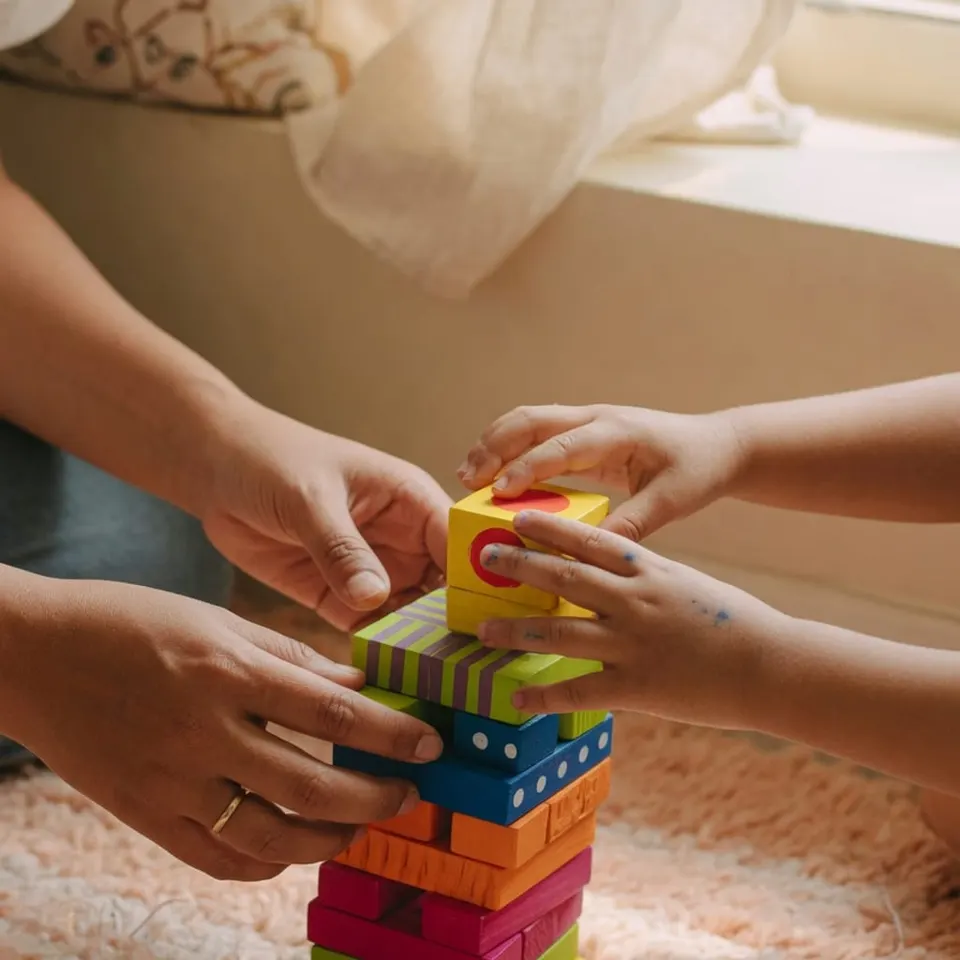
Stimming, or self-stimulatory behavior, includes repetitive movements, sounds, or actions that help autistic individuals self-regulate, focus, or express emotions. It is a natural and often helpful part of autism, not something to be eliminated. Learn to understand your child's stims, when to seek support, and how in-home ABA therapy can help.
What Exactly Is Stimming?
Stimming, short for self-stimulatory behavior, refers to repetitive or unusual body movements, sounds, or use of objects. Common examples include hand-flapping, rocking, spinning, finger-flicking, humming, or repeating phrases. While stimming is often associated with autism, it is not exclusive to it - many neurotypical people stim too, like tapping a pencil or twirling hair. For autistic children, stimming is often a natural and important part of daily life.
Stimming is a form of self-regulation. It can help a child manage overwhelming sensory input, express excitement or anxiety, or simply feel calm and focused. Rather than viewing stimming as a problem to be stopped, it is more helpful to understand its purpose in your child's life. The goal is not to eliminate stimming but to ensure it is safe and does not interfere with learning or social participation.
Why Do Autistic Children Stim?
There is no single reason why a child stims. The behavior serves different functions depending on the child and the situation. Here are some common reasons:
- Sensory regulation: Stimming can increase or decrease sensory input. For example, rocking may provide calming vestibular input, while hand-flapping might add visual or proprioceptive feedback.
- Emotional expression: Children may stim when they are happy, excited, anxious, or frustrated. It can be a way to release energy or communicate feelings they cannot yet put into words.
- Focus and concentration: Some children stim to help them concentrate on a task, similar to how an adult might bounce a leg during a long meeting.
- Overstimulation or understimulation: In a noisy classroom or a quiet room, stimming can help a child find the 'just right' level of sensory input.
- Self-soothing: When stressed or overwhelmed, stimming can be a coping mechanism that brings comfort and predictability.
Understanding the function of a stim is the first step toward responding appropriately. A board-certified behavior analyst (BCBA) can help you identify what your child's stimming is communicating.
Is Stimming Always a Problem?
No. In fact, stimming is often beneficial. It can help a child stay calm, focus, and manage emotions. Many autistic adults describe stimming as essential to their well-being. The key is to distinguish between harmless stimming and stimming that is disruptive, dangerous, or interferes with learning and social connections.
For example, hand-flapping in a grocery store might draw stares, but it is not harmful. However, head-banging or biting oneself can cause injury and requires intervention. Similarly, if stimming prevents a child from participating in daily activities, like eating or attending school, it may be worth addressing.
Rather than trying to stop stimming altogether, consider whether the behavior is safe and whether it is limiting your child's opportunities. If it is, a behavior intervention plan can help teach alternative, safer ways to meet the same sensory or emotional need.
How Is Stimming Related to Autism?
Stimming is one of the diagnostic criteria for autism spectrum disorder (ASD). According to the Diagnostic and Statistical Manual of Mental Disorders (DSM-5), restricted, repetitive patterns of behavior, interests, or activities include 'stereotyped or repetitive motor movements, use of objects, or speech.' This includes stimming behaviors like hand-flapping, rocking, or echolalia (repeating words or phrases).
However, stimming alone does not mean a child has autism. It is one piece of a broader picture that includes differences in social communication and interaction. If you are concerned about your child's development, an evaluation by a qualified professional is important. In New Jersey, early intervention services through the New Jersey Early Intervention System (NJEIS) can provide assessments for children under three, and school districts can evaluate children aged three and up.
It is also worth noting that stimming is not a 'bad' behavior. It is a natural part of being autistic. The autistic community often embraces stimming as a form of self-expression and self-care. As a parent, learning to understand and accept your child's stims can strengthen your relationship and your child's self-esteem.
When Should You Seek Help for Stimming?
Most stimming does not require intervention. However, you should consider seeking professional guidance if:
- The stim causes physical harm, such as head-banging, skin-picking, or biting.
- The stim interferes with learning, eating, sleeping, or social interactions.
- The stim is so frequent that it prevents your child from engaging with the world.
- You are unsure why your child is stimming and want to understand it better.
If you decide to seek help, a BCBA can conduct a functional behavior assessment (FBA) to understand the purpose of the stim. Based on that, they can design a behavior intervention plan that teaches your child alternative ways to meet their needs. This is not about suppressing stimming but about expanding your child's toolbox of coping strategies.
In New Jersey, ABA therapy is a covered benefit under the state's autism insurance mandate for many private insurance plans. Additionally, NJ Medicaid (NJ FamilyCare) covers ABA therapy for eligible children. Liftoff ABA, an in-home ABA provider, accepts most major insurance plans and NJ Medicaid, and verifies your benefits for free. With no waitlists, most families start within weeks.
Practical Tips for Supporting Your Child's Stimming
Here are some evidence-informed, parent-friendly strategies to support your child:
- Observe and learn: Keep a simple log of when and where stimming occurs. What happens right before? What seems to help? This can reveal patterns and triggers.
- Create a sensory-friendly environment: If your child is overstimulated by noise or light, reduce those inputs. If they seek movement, provide safe outlets like a swing or trampoline.
- Offer alternatives: If a stim is unsafe, introduce a safer replacement. For example, if your child likes to flap their hands, you might offer a vibrating toy or a weighted lap pad for sensory input.
- Respect the need: Allow your child to stim in private or in safe settings. Do not force them to stop unless it is absolutely necessary.
- Communicate with your team: Share your observations with your child's pediatrician, teachers, and therapists. A consistent approach helps your child feel understood.
- Focus on function, not the behavior: Ask 'what is my child trying to communicate?' rather than 'how do I stop this?'
Remember, every child is unique. What works for one may not work for another. A BCBA can help tailor strategies to your child's specific needs.
How In-Home ABA Therapy Can Help
If you are concerned about stimming or other behaviors, in-home ABA therapy can be a valuable resource. At Liftoff ABA, we provide personalized, BCBA-designed and supervised therapy in the comfort of your own home. Each child is paired with one dedicated therapist, ensuring consistency and trust. Our BCBAs work with you to understand your child's stimming and develop a plan that supports their development while respecting their needs.
Because we are an in-home provider, we can observe your child in their natural environment, which leads to more accurate assessments and more effective interventions. We also work closely with you as a parent, teaching you strategies to use between sessions. And with no waitlists, your child can start receiving services within weeks, not months.
If you are in New Jersey and have questions about your child's stimming or want to explore ABA therapy, we are here to help. We accept most major insurance plans and NJ Medicaid (NJ FamilyCare), and we verify your benefits for free. Call us at (973) 436-5835 to learn more.
Conclusion: Embrace Understanding Over Elimination
Stimming is a natural and often functional part of being autistic. Instead of trying to eliminate it, focus on understanding what your child is communicating and whether the stim is safe and helpful. With the right support, your child can learn to regulate their senses and emotions in ways that work for them.
If you need guidance, a BCBA can provide an individualized assessment and plan. And if you are looking for in-home ABA therapy in New Jersey, Liftoff ABA is here to help - no waitlists, personalized care, and a commitment to your child's well-being.
- Stimming is a common and functional behavior in autism, serving purposes like sensory regulation, focus, and emotional expression.
- Not all stimming needs to be reduced; the goal is to support safe and socially appropriate alternatives when needed.
- New Jersey's autism insurance mandate and NJ Medicaid (NJ FamilyCare) cover ABA therapy, which can help address challenging stims.
- In-home ABA therapy, like Liftoff ABA, provides personalized, BCBA-led support without waitlists, often starting within weeks.
- Understanding the 'why' behind a stim is key to responding with empathy and effective strategies.
- Always consult with a BCBA or healthcare provider for individualized guidance.
Not sure what your plan covers?
Liftoff ABA verifies your New Jersey insurance benefits for free, no obligation, usually the same day.
Check my coverageFrequently asked questions
Is stimming always a sign of autism?
Should I try to stop my child from stimming?
Can ABA therapy help reduce stimming?
Does NJ Medicaid cover ABA therapy for stimming?
How quickly can my child start ABA therapy in New Jersey?
Start ABA therapy in New Jersey, no waitlist
We'll verify your insurance for free and map out your child's next steps. Most families start within weeks.
Apply for ABA