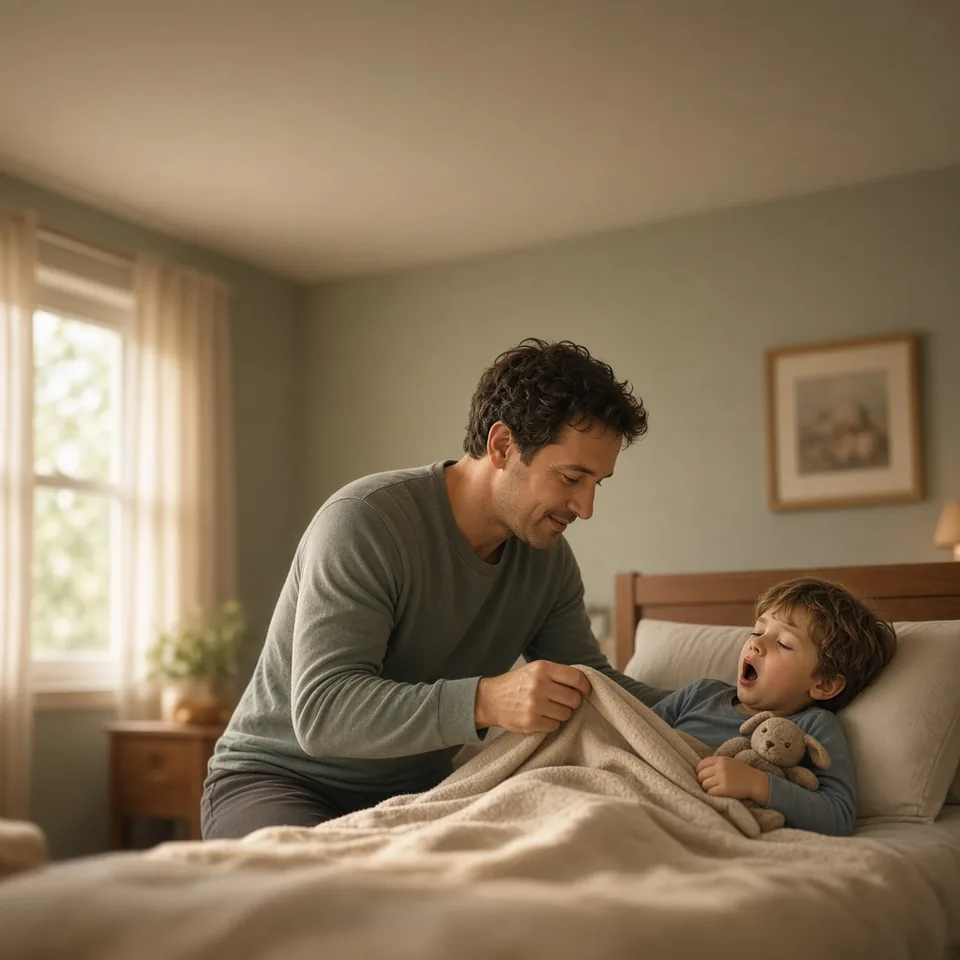
Sleep problems are very common in children with autism, often caused by sensory sensitivities, irregular melatonin production, or co-occurring conditions. New Jersey families can address these issues through environmental adjustments, consistent routines, and-if needed-in-home ABA therapy tailored to your child's unique needs. Liftoff ABA offers BCBA-designed behavior plans that target sleep challenges without waitlists, accepting NJ Medicaid and most major insurance.
Understanding the Sleep-Autism Connection
If your child with autism has trouble falling asleep, staying asleep, or waking up too early, you are not alone. Research consistently shows that sleep disorders are two to three times more common in autistic children than in their neurotypical peers. The reasons are complex: differences in melatonin production, sensory processing challenges, and co-occurring conditions like anxiety or gastrointestinal discomfort all play a role. For New Jersey families, these difficulties are compounded by the demands of therapy schedules, school routines, and the stress of navigating systems like the New Jersey Early Intervention System (NJEIS) or county special services school districts.
The good news is that sleep is a modifiable behavior. With the right combination of environmental changes, consistent routines, and-when needed-professional support, many children can achieve more restful nights. In-home applied behavior analysis (ABA) therapy, like the services provided by Liftoff ABA, can directly address sleep obstacles through customized, data-driven plans designed by Board Certified Behavior Analysts (BCBAs).
Common Sleep Challenges in Autistic Children
While every child is unique, certain sleep patterns are more common in autism. Identifying your child's specific struggle is the first step toward a solution.
Difficulty Falling Asleep (Sleep Onset Insomnia)
Many autistic children lie awake for hours. Their brains may be hyperaroused, or they may be distracted by sensory stimuli, the hum of a fan, the texture of sheets, or a flickering nightlight. Melatonin production often peaks later in the evening, shifting the natural sleep-wake cycle.
Frequent Night Wakings
Waking multiple times per night and being unable to return to sleep without a parent's help is another hallmark. Night wakings can be triggered by nightmares, discomfort from reflux, or a need for specific sensory input (like pressure or rocking) that is no longer present.
Early Morning Waking
Some children wake at 4:00 or 5:00 a.m., fully alert and ready to start the day. This disrupts the entire family and can stem from a misaligned circadian rhythm or insufficient sleep pressure earlier in the night.
Irregular Sleep Schedules
Autistic children often thrive on routine, but variable therapy or school schedules can throw sleep times off balance. Weekends and holidays may lead to later bedtimes, making it harder to reset when the school week begins.
Root Causes of Poor Sleep in Autism
To treat sleep problems effectively, we must look beneath the surface. Causes are often a mix of biological, medical, behavioral, and environmental factors.
Biological Factors
- Melatonin dysregulation: Many autistic individuals produce lower or inappropriately timed melatonin, the hormone that signals the body to sleep.
- Genetic variants: Certain genes linked to autism also affect sleep regulation.
- Co-occurring conditions: ADHD, anxiety, depression, and epilepsy all disrupt sleep architecture.
Medical and Sensory Issues
- Gastrointestinal problems: Acid reflux, constipation, or food intolerances can cause pain that wakes a child.
- Sensory sensitivities: Hypersensitivity to light, sound, touch, or temperature makes it hard to settle.
- Sleep apnea and restless legs: These are more common in autism and can go undiagnosed.
Behavioral and Environmental Contributors
- Bedtime resistance: Children may engage in escape behaviors to delay sleep, such as requesting more stories, snacks, or screen time.
- Inconsistent routines: Without a predictable sequence of events, the brain does not get clear cues that sleep is coming.
- Sleep associations: If a child relies on a parent rubbing their back to fall asleep, they cannot self-soothe when they wake alone at 2 a.m.
Evidence-Based Strategies for Better Sleep
Below are practical, research-backed approaches that New Jersey parents can implement at home. Always consult your pediatrician before beginning any supplement or medical intervention.
Create a Predictable Bedtime Routine
A visual schedule can help your child understand what comes next: put on pajamas, brush teeth, read one story, turn off the light, and listen to calm music. Keep the sequence the same every night, even on weekends. Use a social story or a first, then board, both of which are tools commonly used in ABA therapy.
Optimize the Sleep Environment
- Darkness: Use blackout curtains to block outside light. Some autistic children prefer a dim, colored nightlight; avoid blue light, which suppresses melatonin.
- White noise or silence: A white-noise machine can mask startling sounds. Others need absolute quiet-learn which suits your child.
- Temperature: Keep the room cool-around 68-72°F (20-22°C).
- Bedding: Weighted blankets can provide deep pressure input that calms the nervous system, but use them only under professional guidance.
Address Screen Time and Diet
Stop all screens (TVs, tablets, phones) at least one hour before bedtime. Replace screen time with quiet activities like puzzles, coloring, or listening to an audiobook. Avoid caffeine and sugary snacks after lunch; consider a light carbohydrate-based snack before bed if your child is hungry.
Consider Melatonin Supplementation
Melatonin can be effective for some autistic children, especially those with delayed sleep onset. But dosage and timing matter. Work with your child's doctor or a BCBA familiar with biomedical interventions. Low doses (0.5-1 mg) taken 30-60 minutes before bed are often recommended. Extended-release versions may help with night wakings.
Use Behavior-Based Sleep Interventions
ABA therapists use techniques like graduated extinction (checking on your child at increasing intervals) or bedtime fading (delaying bedtime so sleep pressure is higher). These should be implemented with a BCBA to ensure safety and effectiveness. Liftoff ABA includes sleep as a common goal in many therapy plans, and their BCBAs design individualized protocols.
New Jersey Resources for Sleep Support
In addition to home strategies, New Jersey families can tap into specialized resources. NJEIS serves children under age three with developmental delays and can connect you to early intervention services that address sleep. For children ages three to 21, your local school district's special services department (e.g., Bergen County Special Services, Essex County Special Services) may offer consultations with occupational therapists or behaviorists.
If you suspect a medical sleep disorder, ask your pediatrician for a referral to a sleep specialist at a facility such as the Children's Hospital of Philadelphia (CHOP) sleep center, which treats many NJ families, or Hackensack University Medical Center's Sleep Center. For behavioral health support, PerformCare (1-877-652-7624) is the NJ Mental Health and Addiction Services contact for children's behavioral health needs, including severe sleep disorders linked to anxiety or trauma.
Insurance coverage is a common worry. New Jersey's autism insurance mandate requires many health plans to cover medically necessary ABA therapy. Liftoff ABA accepts most major insurance and NJ FamilyCare (NJ Medicaid). They also offer free insurance verification so you understand your benefits before starting.
The Role of In-Home ABA Therapy
ABA therapy is not just for academics or social skills-it is highly effective for reducing sleep-disrupting behaviors. A BCBA will conduct a functional behavior assessment (FBA) to understand why your child resists sleep or wakes frequently. For example, if a child calls out repeatedly because they enjoy the attention, the therapist might teach a replacement behavior (like signaling with a quiet buzzer) and then fade attention gradually.
In-home therapy is especially powerful for sleep because the BCBA can observe the actual bedtime environment and coach parents in real time. Liftoff ABA provides one dedicated therapist per child, all supervised by a BCBA. They focus on skill acquisition and behavior reduction, including sleep skills. And because they have no waitlists, families in towns like Newark, Jersey City, Middlesex County, and beyond can start within weeks, not months.
Many parents report that after just a few sessions focused on bedtime routines and parent training, their child falls asleep more independently and stays asleep longer. The strategies are reinforced during daytime therapy as well, building self-regulation skills that improve overall quality of life.
When to Seek Additional Help
While most sleep problems in autism improve with consistent behavioral and environmental changes, some situations require professional intervention. Contact your pediatrician or a behavioral health specialist if your child:
- Snore loudly, gasp for air, or stop breathing during sleep (possible sleep apnea).
- Has severe daytime sleepiness or falls asleep at inappropriate times.
- Shows signs of restless legs (frequent leg movement or discomfort).
- Has not responded to several weeks of consistent sleep hygiene changes.
- Displays aggressive or self-injurious behavior when woken or when bedtime is announced.
You can call Liftoff ABA at (973) 436-5835 for a free consultation to discuss whether ABA therapy can help your family. The team will explain how they work with your child's existing providers and insurance to create a seamless plan.
Sleep is fundamental for development, learning, and family well-being. With the right support and a tailored approach, restful nights are possible, even for the most sleep-resistant child.
- Sleep issues affect up to 80% of autistic children; they stem from biological, behavioral, and environmental factors.
- Melatonin regulation, sensory sensitivities, and anxiety are key contributors to poor sleep in autism.
- Evidence-based approaches include consistent bedtimes, visual schedules, and reducing screen time before bed.
- New Jersey offers specialized resources like NJ Early Intervention (NJEIS), PerformCare, and county-based special services school districts.
- In-home ABA therapy provides personalized strategies to improve sleep hygiene and reduce bedtime behaviors.
- Liftoff ABA delivers BCBA-supervised, one-on-one therapy in your home with no waitlists, and accepts NJ FamilyCare and most insurers.
Not sure what your plan covers?
Liftoff ABA verifies your New Jersey insurance benefits for free, no obligation, usually the same day.
Check my coverageFrequently asked questions
Does NJ Medicaid (NJ FamilyCare) cover ABA therapy for sleep problems?
Can ABA therapy really help my child sleep through the night?
What sleep specialists are available in New Jersey for autistic children?
Is melatonin safe for autistic children?
How soon can we start in-home ABA therapy for sleep in NJ?
Start ABA therapy in New Jersey, no waitlist
We'll verify your insurance for free and map out your child's next steps. Most families start within weeks.
Apply for ABA