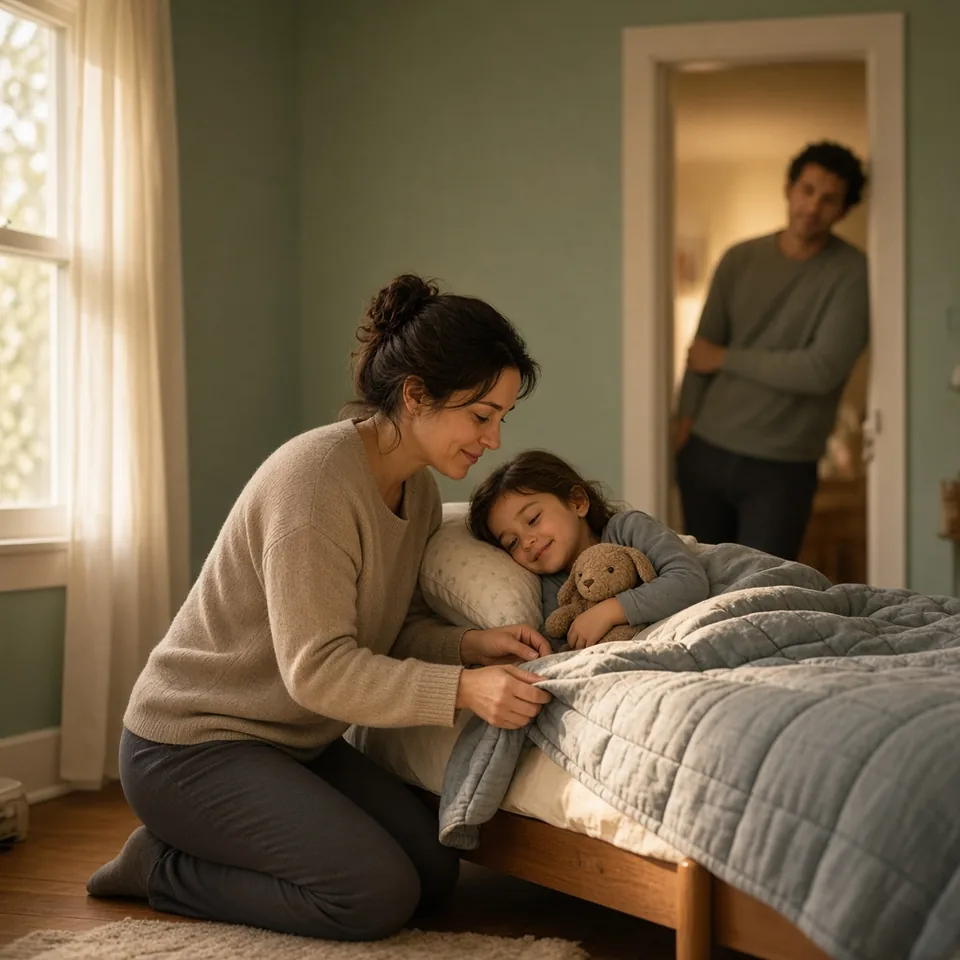
Sleep challenges are common for autistic children due to sensory sensitivities, irregular melatonin production, and anxiety. Evidence-based strategies include consistent routines, sensory-friendly environments, and addressing co-occurring conditions. This guide offers practical, NJ-specific tips to help your child sleep better.
Understanding Sleep Challenges in Autistic Children
Many autistic children experience significant sleep difficulties. Research shows that up to 80% of children on the spectrum have some form of sleep problem, compared to about 25% of neurotypical children. These challenges can range from difficulty falling asleep, frequent night wakings, short sleep duration, to early morning awakenings. The root causes are often multifactorial, including sensory sensitivities (to light, sound, or texture of bedding), irregular melatonin production, anxiety, and co-occurring conditions like ADHD or gastrointestinal discomfort. For New Jersey parents, understanding these underlying factors is the first step toward finding effective solutions.
Sleep deprivation doesn't just affect your child; it impacts the whole family. Poor sleep can exacerbate autism-related behaviors such as irritability, hyperactivity, and difficulty with focus. Fortunately, there are evidence-based strategies that can make a real difference. This guide focuses on gentle, practical approaches you can implement at home, and how New Jersey-specific resources-including Liftoff ABA's in-home therapy-can support your family.
Evidence-Based Sleep Strategies That Work
Create a Predictable Bedtime Routine
Consistency is key for autistic children. A predictable, calming bedtime routine signals to the brain that it's time to wind down. Aim for the same sequence of activities every night, starting 30-45 minutes before bed. For example: bath, pajamas, a quiet story, and then lights out. Use a visual schedule or a social story to help your child understand each step. Many New Jersey families find that incorporating preferred calming activities-like listening to a specific song or squeezing a stress ball-makes the routine more effective.
Your child's ABA therapist can help design a tailored routine. Liftoff ABA, for instance, provides in-home BCBA-led therapy and can work with your family to create and rehearse a bedtime ritual that reduces anxiety and promotes sleep.
Optimize the Sleep Environment
Autistic children often have hypersensitivities that make standard bedrooms overwhelming. Start by making the room as dark as possible. Blackout curtains can block streetlights and early morning sun. If total darkness is unsettling, a dim red nightlight is less disruptive to melatonin production than blue or white light. White noise machines or fans can mask household sounds and provide a soothing auditory backdrop.
Temperature matters too; a slightly cool room (around 65-70°F) is ideal. Pay attention to bedding textures. Some children prefer the deep pressure of a weighted blanket, which can have a calming effect. Always choose a blanket that is no more than 10% of your child's body weight and discuss with your pediatrician first. These adjustments are low-cost and can be implemented immediately.
Address Sensory Needs
Sensory regulation is crucial for sleep. Some children need proprioceptive input before bed. Activities like gentle massage, joint compressions, or a warm bath can help. Others might need oral sensory input, such as chewing on a silicone necklace or drinking a warm, non-caffeinated beverage through a straw. Observe what calms your child in the hours before bedtime and incorporate those activities.
If your child is sensitive to touch, avoid scratchy pajama labels and choose seamless, soft fabrics. A consistent, sensory-friendly environment reduces the likelihood of bedtime battles.
Manage Screen Time and Melatonin
Blue light from screens (tablets, phones, TV) suppresses melatonin production. The American Academy of Pediatrics recommends no screens for at least 45 minutes before bed. Replace screen time with calm activities like puzzles, drawing, or listening to audiobooks.
Melatonin supplements are commonly used for autistic children, but they should only be given under medical supervision. Dosage and timing matter greatly; too much can cause grogginess the next day. Many New Jersey pediatricians are familiar with autism-related sleep issues and can guide you. Never start melatonin without first talking to your child's doctor, and consider keeping a sleep diary to track effectiveness.
The Role of Co-Occurring Conditions
Sleep problems often link to other medical or behavioral conditions. Anxiety is a major culprit. Autistic children may have difficulty recognizing or communicating their worries, leading to racing thoughts at bedtime. Cognitive-behavioral strategies, relaxation techniques, and social stories can help. Similarly, ADHD can cause hyperactivity at night; stimulant medications taken during the day may wear off, leading to a rebound effect. Discuss medication timing with your child's prescriber.
Gastrointestinal issues like constipation, reflux, or food sensitivities are common in autistic children and can cause discomfort that disrupts sleep. A gastroenterologist or dietitian familiar with autism can help. In New Jersey, the Children's Specialized Hospital and other centers offer multidisciplinary clinics. Addressing these underlying concerns often improves sleep quality significantly.
How ABA Therapy Can Support Healthy Sleep Habits
Applied Behavior Analysis (ABA) therapy is not just for daytime behaviors; it can be highly effective for sleep challenges. A BCBA (Board Certified Behavior Analyst) can conduct a functional assessment to identify what triggers and maintains sleep problems. For example, if a child repeatedly leaves the bedroom, the BCBA might develop a plan that reinforces staying in bed, while gently extinguishing requests for attention.
Liftoff ABA specializes in in-home therapy across New Jersey. Because they bring therapy into your home, they can help you implement sleep routines in the actual environment where sleep happens. They design individualized plans, often starting within weeks due to no waitlists. Their BCBA-supervised approach ensures strategies are evidence-based and family-centered. If your child's sleep issues are tied to behavior, ABA can give you the tools to create lasting change.
Additionally, ABA can address daytime habits that affect sleep, such as irregular napping or poor mealtime schedules. A coordinated approach involving your BCBA, pediatrician, and other providers is the most effective way to tackle complex sleep problems.
New Jersey Resources for Families
New Jersey offers several resources specifically for families of children with autism. If your child is under age three, New Jersey Early Intervention (NJEIS) provides evaluations and services, including sleep consultation. For older children, the Special Child Health Services (SCHS) case management can connect you with specialists. PerformCare is the state's mental health and crisis line (877-652-7624) and can assist with behavior-related sleep concerns.
Many NJ county special-services school districts offer parent training and sleep workshops. Your child's school counselor or child study team may also have suggestions. Insurance coverage is another important factor. New Jersey's autism insurance mandate requires many private insurers to cover ABA therapy, and NJ Medicaid (NJ FamilyCare) also covers ABA services. Liftoff ABA accepts most major insurance and NJ FamilyCare, and they verify benefits for free, making it easier for families to access care without financial stress.
Local parent support groups, such as those offered by Autism New Jersey, can be invaluable for sharing strategies and finding providers who understand sleep challenges. Don't hesitate to reach out to these organizations for guidance.
When to Seek Professional Help
If sleep problems persist despite consistent implementation of these strategies, or if they cause significant distress for your child or family, it's time to seek professional help. Start with your pediatrician to rule out medical causes like sleep apnea, restless legs syndrome, or seizures. A sleep study (polysomnography) may be recommended for complex cases.
Behavioral sleep interventions guided by a BCBA can be highly effective. Also consider a consultation with a pediatric sleep psychologist who specializes in autism. In New Jersey, the Sleep Disorders Center at Children's Specialized Hospital and other sleep clinics have experience with neurodivergent children. Remember, you don't have to navigate this alone. With the right support, your child can learn to sleep better, improving quality of life for the entire family.
- Establish a predictable, visual bedtime routine using picture schedules or social stories.
- Use weighted blankets, white noise, and dim red lighting to create a calming sleep environment.
- Limit screen time at least 45 minutes before bed and talk to your doctor before trying melatonin.
- Address co-occurring conditions like anxiety, ADHD, or gastrointestinal issues that can disrupt sleep.
- Access NJ resources such as NJ Early Intervention (NJEIS), PerformCare, and county special-services schools for sleep support.
- Liftoff ABA offers in-home BCBA-led therapy to help build healthy sleep habits with no waitlist for NJ families.
Not sure what your plan covers?
Liftoff ABA verifies your New Jersey insurance benefits for free, no obligation, usually the same day.
Check my coverageFrequently asked questions
What causes sleep problems in autistic children?
Is melatonin safe for autistic children?
How can ABA therapy help with sleep?
Does NJ Medicaid cover sleep therapy or ABA for sleep?
What if my child wakes up frequently at night?
Start ABA therapy in New Jersey, no waitlist
We'll verify your insurance for free and map out your child's next steps. Most families start within weeks.
Apply for ABA