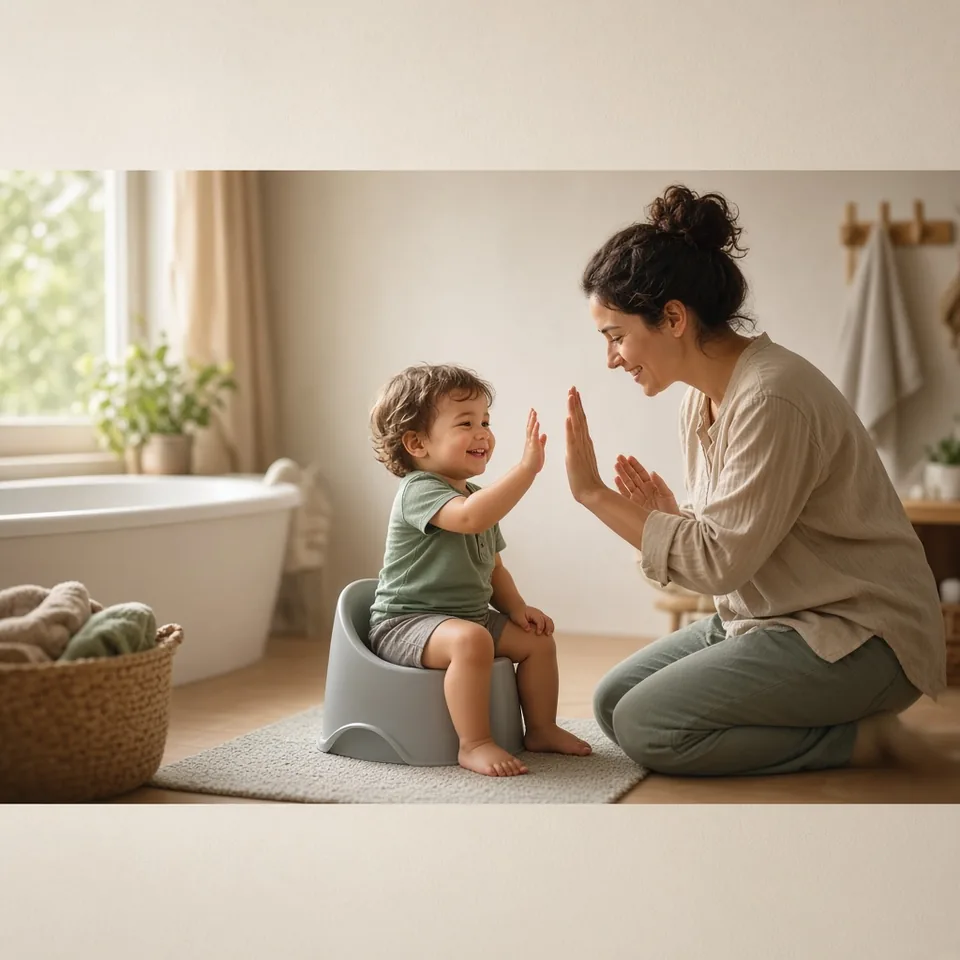
Toilet training an autistic child often requires patience, visual supports, and a consistent routine. This guide covers readiness signs, step-by-step strategies, and how in-home ABA therapy in New Jersey can provide personalized support. Liftoff ABA offers BCBA-designed plans with no waitlists, accepting NJ Medicaid and most insurance.
Understanding Toileting Challenges in Autistic Children
Toilet training is a major milestone for any child, but for autistic children, it can present unique hurdles. Sensory sensitivities, difficulty with interoception (recognizing internal body cues), and a preference for routine can make the process feel overwhelming. Many autistic children also experience anxiety around new environments or changes to their daily schedule.
As a parent in New Jersey, you may have already navigated early intervention services through the New Jersey Early Intervention System (NJEIS) or worked with a developmental pediatrician. The good news is that with the right approach-tailored to your child's specific needs-toileting success is absolutely achievable. In-home ABA therapy, such as the services provided by Liftoff ABA, can be a powerful tool because it works in your child's natural environment, where they feel most comfortable.
Signs Your Child May Be Ready for Toilet Training
Not every child follows the same timeline, and that's okay. Look for these readiness cues before starting:
- Staying dry for at least two hours during the day or waking up dry from naps.
- Showing awareness of having a wet or soiled diaper (e.g., tugging at it, hiding, or verbalizing).
- Demonstrating basic motor skills needed to pull pants up and down.
- Following simple one-step directions, like "sit on the potty."
- Expressing interest in the bathroom or imitating family members.
If your child isn't showing these signs yet, don't worry. You can work on pre-training skills, such as sitting on a potty chair fully clothed, to build comfort. In-home ABA therapists can assess your child's unique profile and create a plan that respects their pace.
Creating a Supportive Toileting Routine
Use Visual Supports
Many autistic children are visual learners. A simple picture schedule showing each step, from walking to the bathroom to flushing and washing hands-can reduce anxiety. You can laminate the schedule and place it near the toilet. Social stories, which are short narratives with pictures, can also help your child understand what to expect.
Build Predictability
Schedule regular "potty sits" at consistent times: first thing in the morning, after meals, before bath, and before bed. Use a timer to signal when it's time to go. Consistency helps your child's body learn the routine.
Positive Reinforcement
Reward every small step, not just successful elimination. Praise, stickers, or a favorite song can motivate your child. Avoid punishment for accidents, they are part of the learning process. A dedicated in-home therapist can help you identify the most effective reinforcers for your child.
Addressing Sensory and Communication Needs
Sensory issues can make toileting challenging. The feel of a cold toilet seat, the sound of a flushing toilet, or the smell of the bathroom can be overwhelming. Consider these adaptations:
- Use a potty chair instead of a full toilet to reduce height and noise.
- Allow your child to wear earplugs or listen to calming music during toileting.
- Offer a weighted lap pad or fidget toy to provide calming input.
- Teach your child to communicate the need to go, whether through words, signs, pictures, or a speech-generating device.
If your child is non-speaking or has limited verbal skills, a BCBA can work with you to establish a reliable communication system. This might include a simple "potty" card or a button that says "I need the bathroom."
How In-Home ABA Therapy Can Help
In-home ABA therapy is uniquely suited for toilet training because it happens in your child's natural environment. A BCBA will conduct a thorough assessment to identify barriers-such as sensory aversions or difficulty with interoception, and design a step-by-step plan. Your child will work with one dedicated therapist who builds trust and consistency over time.
Liftoff ABA, for example, provides BCBA-designed and supervised in-home therapy across New Jersey. There are no waitlists, so most families can start within weeks. The therapist will collaborate with you, your child's school, and any other providers to ensure a unified approach. This is especially important in New Jersey, where many children receive services through NJ Medicaid (NJ FamilyCare) or private insurance that covers ABA under the state's autism insurance mandate.
Navigating Insurance and Funding in New Jersey
New Jersey has strong protections for families of children with autism. The state's autism insurance mandate requires most private health plans to cover medically necessary ABA therapy, including toilet training. Additionally, NJ Medicaid (NJ FamilyCare) covers ABA for eligible children. Liftoff ABA accepts most major insurance plans and NJ FamilyCare, and they offer free benefits verification-just call (973) 436-5835 to learn what your plan covers.
If your child is under three, you may qualify for early intervention services through NJEIS, which can include toileting goals. For school-aged children, your local school district's child study team can incorporate toileting into the IEP if it's deemed educationally relevant. Some families also access funding through PerformCare, New Jersey's behavioral health system, for additional support.
When to Seek Professional Help
If your child is over four and has not shown progress after several months of consistent effort, or if they have significant medical issues like chronic constipation, it may be time to consult a specialist. A pediatric gastroenterologist can rule out physical causes, while a BCBA can address behavioral barriers. In-home ABA therapy can be particularly effective because it allows the therapist to observe your child's natural patterns and adjust strategies in real time.
Remember, every child is different. Some may master toileting in a few weeks, while others may need months or longer. The key is to stay patient, celebrate small wins, and lean on your support network-including your child's therapists, teachers, and local parent groups. In New Jersey, organizations like Autism New Jersey and the NJ Department of Health offer resources and referrals.
- Look for readiness signs like staying dry for 2 hours or showing discomfort with soiled diapers.
- Use visual schedules, social stories, and positive reinforcement to build predictability and confidence.
- In-home ABA therapy can break down toileting into small, achievable steps with a dedicated therapist.
- New Jersey families may access funding through NJ Medicaid (NJ FamilyCare) or private insurance under the state's autism mandate.
- Consistency across settings-home, school, and community-is key to long-term success.
- Liftoff ABA offers no-waitlist, BCBA-supervised in-home toileting support across New Jersey.
Not sure what your plan covers?
Liftoff ABA verifies your New Jersey insurance benefits for free, no obligation, usually the same day.
Check my coverageFrequently asked questions
What is the best age to start toilet training an autistic child?
How can I help my child who is afraid of the toilet?
Does NJ Medicaid cover ABA therapy for toilet training?
How long does it take to toilet train an autistic child?
What should I do if my child has frequent accidents after initial success?
Start ABA therapy in New Jersey, no waitlist
We'll verify your insurance for free and map out your child's next steps. Most families start within weeks.
Apply for ABA