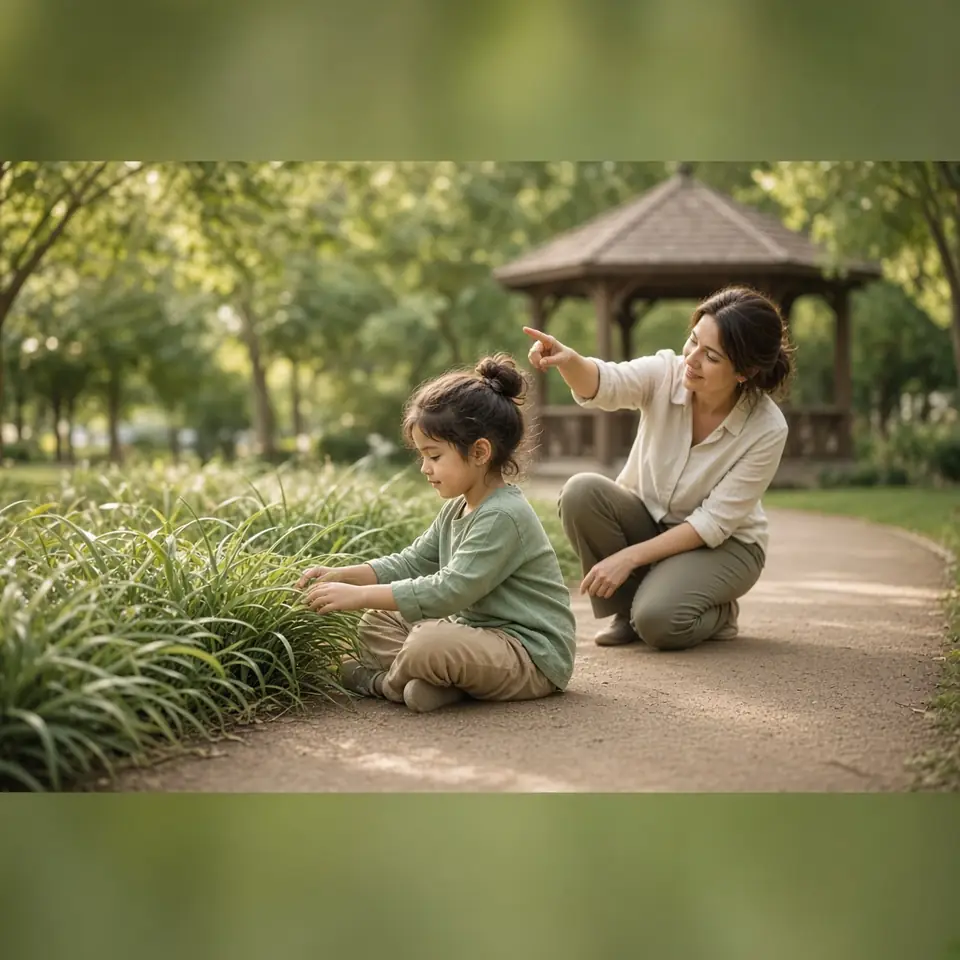
New Jersey offers many parks with sensory-friendly features like quiet zones, wheelchair-accessible play structures, and natural sensory paths. This guide covers 10 top-rated parks across the state, from Bergen to Cape May, designed to support children with autism. Liftoff ABA provides in-home ABA therapy across NJ, helping families enjoy these spaces with confidence.
Why Sensory-Friendly Parks Matter for Children with Autism
For many children with autism, traditional playgrounds can feel overwhelming-bright colors, loud noises, unpredictable crowds, and complex equipment can trigger sensory overload. Sensory-friendly parks address these challenges by incorporating quiet zones, soft surfaces, visual calm, and accessible paths. New Jersey, with its diverse communities and commitment to inclusion, has become a leader in creating these spaces. According to the CDC, about 1 in 36 children is diagnosed with autism spectrum disorder (ASD), making inclusive play areas essential for families across the state.
These parks allow children to explore at their own pace, engage in parallel play, and develop social skills in a low-stress environment. For families receiving ABA therapy, such outings can be a natural extension of skill-building-practicing transitions, communication, and emotional regulation. Liftoff ABA, a provider of in-home ABA therapy across New Jersey, often encourages families to use local parks as real-world learning opportunities.
How to Choose a Sensory-Friendly Park
Not all parks labeled "sensory-friendly" are created equal. Here are key features to look for:
- Quiet zones: Designated areas away from high-traffic play structures where children can decompress.
- Accessible equipment: Ramps, adaptive swings, and ground-level activities for children with mobility challenges.
- Natural elements: Gardens, water features, or wooded trails that provide calming sensory input.
- Soft surfaces: Rubberized or synthetic turf that reduces injury risk and noise.
- Visual cues: Clear signage, color-coded paths, or visual schedules to help with navigation.
- Staff training: Some parks offer staff trained in autism awareness or host sensory-friendly hours.
Always check the park's website or call ahead to confirm current features and any special programs. The New Jersey Division of Developmental Disabilities provides resources for families seeking inclusive recreation options.
Top 10 Sensory-Friendly Parks in New Jersey
1. Van Saun County Park (Bergen County)
Located in Paramus, Van Saun County Park features a large, inclusive playground with rubberized surfaces, adaptive swings, and a train ride that many children enjoy. The park also has a zoo with quiet animal exhibits, a carousel, and plenty of shaded picnic areas. The playground is fenced, which helps with safety and wandering prevention.
2. Cooper River Park (Camden County)
This park in Pennsauken offers a sensory-friendly playground with soft flooring, gentle slopes, and a variety of ground-level activities. The adjacent Cooper River provides a calming water view, and the wide, paved paths are ideal for strollers or wheelchairs. Families can also enjoy the nearby Camden County Boathouse.
3. Thompson Park (Monmouth County)
Thompson Park in Lincroft includes a universally accessible playground with ramps, sensory panels, and a quiet garden area. The park's nature trails and pond offer peaceful exploration opportunities. The Monmouth County Park System often hosts sensory-friendly events here.
4. South Mountain Reservation (Essex County)
While not a traditional playground, South Mountain Reservation in Millburn offers extensive wooded trails, a waterfall, and the Turtle Back Zoo nearby. The reservation's natural quiet can be soothing for children who prefer less structured play. The adjacent South Mountain Recreation Complex has inclusive play equipment.
5. Liberty State Park (Hudson County)
This Jersey City park features wide open spaces, a nature center with hands-on exhibits, and the Liberty Science Center next door. The park's expansive lawns and waterfront promenade provide room for running and quiet reflection. The playground has some accessible equipment, though it's not fully sensory-friendly.
6. Duke Farms (Somerset County)
Duke Farms in Hillsborough is a 1,000-acre nature preserve with paved trails, a sensory garden with fragrant plants, and a meditation barn. The environment is intentionally quiet, with no motorized vehicles allowed. This is ideal for families seeking a low-stimulus outdoor experience.
7. Allaire State Park (Monmouth County)
Allaire State Park in Farmingdale offers a historic village, a river, and miles of trails. The park's natural setting-pine forests, a flowing river, and open fields-provides calming sensory input. The historic buildings and train rides can be engaging for children interested in history.
8. Cape May County Park & Zoo (Cape May County)
This free zoo in Cape May Court House features a sensory-friendly playground with adaptive swings and quiet areas. The zoo itself has wide pathways, animal exhibits at eye level, and a carousel. The park also offers a quiet room for children who need a break.
9. Mercer County Park (Mercer County)
Mercer County Park in West Windsor has a large inclusive playground with rubberized surfaces, sensory panels, and a quiet garden. The park's lake, walking trails, and picnic areas provide additional options for relaxation. The Mercer County Park Commission offers adaptive recreation programs.
10. Washington Valley Park (Somerset County)
This park in Martinsville features a sensory-friendly trail with interpretive signs, a stream, and a quiet pond. The trail is wheelchair-accessible and offers opportunities for nature-based sensory exploration. The park is less crowded than larger county parks, making it a good choice for families seeking solitude.
Tips for a Successful Park Visit
Planning ahead can make a park visit more enjoyable for your child. Here are practical strategies:
- Visit during off-peak hours: Early mornings or weekdays often mean fewer crowds and less noise.
- Bring sensory tools: Noise-canceling headphones, a weighted blanket, or a favorite fidget toy can help with regulation.
- Create a visual schedule: Use pictures to show the sequence of activities (e.g., car ride, playground, snack, home).
- Practice transitions: Use a timer or countdown to prepare your child for leaving the park.
- Start small: Begin with short visits (15-20 minutes) and gradually increase duration as your child becomes comfortable.
- Communicate with staff: Some parks offer sensory-friendly hours or can provide accommodations if you ask.
ABA therapy can help children build the skills needed for successful community outings. Liftoff ABA provides in-home therapy across New Jersey, with no waitlists, so families can start building these skills quickly. The New Jersey Division of Developmental Disabilities also offers resources for families seeking support.
How ABA Therapy Supports Community Outings
Applied behavior analysis (ABA) therapy is an evidence-based approach that helps children with autism develop communication, social, and adaptive skills. In-home ABA therapy, like that provided by Liftoff ABA, allows therapists to work with children in their natural environment, including preparing for and practicing visits to sensory-friendly parks.
During therapy, a Board Certified Behavior Analyst (BCBA) designs a plan that may include goals like following a visual schedule, requesting a break, or using calming strategies. A dedicated therapist works one-on-one with the child, generalizing these skills to real-world settings. Liftoff ABA accepts most major insurance plans, including NJ Medicaid (NJ FamilyCare), and offers free benefit verification to help families understand their coverage.
New Jersey's autism insurance mandate requires most private insurers to cover ABA therapy for children under 21. This means families can access services without financial barriers. For more information on coverage, visit the New Jersey Department of Human Services.
Final Thoughts
New Jersey is home to many parks that thoughtfully accommodate children with autism, from fully inclusive playgrounds to natural sanctuaries. By choosing a park with sensory-friendly features and planning ahead, families can create positive, memorable outdoor experiences. Remember that every child is unique, what works for one may not work for another, so be patient and flexible.
If you're interested in ABA therapy to support your child's development, Liftoff ABA offers in-home services across New Jersey with no waitlists. Call (973) 436-5835 or visit their website to learn more about how they can help your family enjoy all that New Jersey has to offer.
- Many NJ parks now include sensory-friendly playgrounds with soft surfaces, calming colors, and quiet areas.
- Top parks like Van Saun County Park and Cooper River Park offer inclusive play structures and accessible paths.
- Natural elements like gardens, water features, and wooded trails can provide calming sensory input.
- Check park websites for sensory-friendly hours or special programs before visiting.
- Liftoff ABA offers in-home ABA therapy across NJ, helping children build skills for community outings.
- Use NJ FamilyCare or private insurance to cover ABA therapy; Liftoff ABA verifies benefits for free.
Not sure what your plan covers?
Liftoff ABA verifies your New Jersey insurance benefits for free, no obligation, usually the same day.
Check my coverageFrequently asked questions
Are all parks in New Jersey free to enter?
Do I need to call ahead for sensory-friendly hours?
Can ABA therapy help my child enjoy park visits more?
Does NJ Medicaid cover ABA therapy for autism?
What should I bring to a sensory-friendly park?
Start ABA therapy in New Jersey, no waitlist
We'll verify your insurance for free and map out your child's next steps. Most families start within weeks.
Apply for ABA