Helping your child with autism make friends starts with understanding their unique social style, practicing skills in low-pressure settings, and using structured activities like LEGO clubs or social groups. In New Jersey, you can access early intervention (NJ Early Intervention System) and school-based supports, plus ABA therapy from providers like Liftoff ABA to build social confidence. Start small, celebrate every attempt, and lean on local resources-friendship is a journey, not a race.
Understanding Friendship for Autistic Children
Friendship is a universal human need, but for children with autism, it often looks different from neurotypical expectations. Your child might prefer one close buddy over a large group, enjoy parallel play (playing side-by-side without direct interaction), or bond over a shared passion like dinosaurs or trains. These are valid forms of connection. Research shows that autistic children can and do form meaningful friendships, especially when they're allowed to define the terms. Instead of forcing a neurotypical mold, focus on what makes your child feel connected. In New Jersey, you're not alone, many families navigate this journey, and resources like NJ Division of Mental Health and Addiction Services offer guidance, though friendship-building often starts at home.
It's also crucial to recognize that social challenges aren't a lack of desire-they're often a difference in processing. Your child may want friends but struggle to read cues, initiate conversation, or manage sensory overload in busy settings. This is where targeted support can help. By understanding your child's unique social profile, you can create opportunities that feel safe and enjoyable, not overwhelming.
Building Social Skills at Home
The foundation for friendship is built in familiar environments. Home is a low-stakes place to practice skills without the pressure of peers. Start with these evidence-informed strategies:
Role-Playing and Scripts
Create simple scripts for common scenarios like greeting a peer, asking to join a game, or sharing a toy. Practice with stuffed animals or family members. For example, role-play saying, "Hi, I'm Alex. Can I play with the blocks with you?" Use visual cue cards if your child is a visual learner. Repeat these scripts until they feel automatic, this reduces anxiety in real situations.
Emotion Coaching
Help your child identify emotions in themselves and others. Use books, TV shows, or photos to discuss feelings. Ask questions like, "How do you think she feels when her tower falls?" This builds empathy and perspective-taking, which are key for friendships. You can also create an "emotion thermometer" to help your child recognize their own feelings and know when to take a break.
Turn-Taking and Sharing
Board games are excellent for practicing turn-taking, winning/losing gracefully, and patience. Start with simple games like Candy Land or Uno. Narrate the process: "Now it's my turn. I'll roll the dice. Your turn next!" This reinforces social reciprocity in a fun way.
Remember, consistency matters more than perfection. Short, daily practice sessions (10-15 minutes) are more effective than weekly marathons. And always celebrate effort, not just success.
Finding Social Opportunities in New Jersey
New Jersey offers a wealth of community-based activities where autistic children can practice social skills in real-world settings. The key is to choose low-pressure, interest-based groups where interaction feels natural.
Library and Community Center Programs
Many NJ public libraries host sensory-friendly story times, LEGO clubs, and craft sessions specifically designed for children with autism. For example, the New Jersey State Library provides resources and links to local library programs. Check your local library's calendar, these events are often small, structured, and welcoming.
Parks and Recreation
Several NJ counties offer adaptive recreation programs. For instance, Monmouth County Park System has adaptive sports and nature programs, and Bergen County offers special needs swim and gym classes. These programs pair children with trained staff and peers, making social interaction less intimidating. Even a simple trip to a local playground at off-peak hours can be a practice ground-bring a favorite toy to attract curious peers.
Social Skills Groups and Clubs
Private providers across the state run social skills groups for autistic children. These groups are often led by therapists and focus on specific skills like conversation, conflict resolution, and friendship maintenance. Look for groups that group children by age and ability, and that use a strengths-based approach. Some organizations, like the Autism New Jersey, maintain directories of local resources and events.
When choosing an activity, consider your child's sensory needs. If loud environments are overwhelming, look for quieter venues or ask for accommodations. The goal is to create positive associations with peer interaction, not to force it.
School-Based Supports and IEPs
For school-aged children, the educational system can be a powerful ally in friendship-building. Under the Individuals with Disabilities Education Act (IDEA), your child may qualify for an Individualized Education Program (IEP) that includes social skills goals. These goals might include initiating conversations, responding to peers, or participating in group activities.
In New Jersey, the NJ Department of Education Special Education page explains your rights and the IEP process. You can request that the school provide a social skills group, a peer buddy system, or a lunch bunch program. If your child is in general education, a 504 plan can provide accommodations like a quiet lunch table or a social coach for group projects.
Don't underestimate the power of teacher collaboration. Share what works at home, like visual schedules or calming techniques, so the school can reinforce them. Regular communication with the IEP team ensures that social goals are being addressed consistently.
How ABA Therapy Can Help with Social Skills
Applied Behavior Analysis (ABA) therapy is a scientifically validated approach that can systematically teach social skills. At Liftoff ABA, we specialize in in-home ABA therapy across New Jersey, which means we can work with your child in the environment where they feel most comfortable. Our Board Certified Behavior Analysts (BCBAs) design individualized plans that break down complex social behaviors into manageable steps.
For example, if your child struggles to join a group, we might start by practicing approaching a peer, then saying a greeting, then asking a question. We use positive reinforcement to build confidence and motivation. Because therapy happens at home, we can also involve siblings and parents, creating a team approach that generalizes skills to real-world settings.
One of the biggest barriers to ABA therapy is waitlists. Many families wait months for services. At Liftoff ABA, we pride ourselves on no waitlists-most families start within weeks. We accept most major insurance plans, including NJ Medicaid (NJ FamilyCare), and we offer free benefits verification to make the process easier. Just call (973) 436-5835 to get started.
ABA isn't about "fixing" your child-it's about giving them tools to navigate a social world on their own terms. We focus on building skills that matter to your child, whether that's making a friend, joining a club, or simply feeling confident in a group.
Navigating NJ Resources and Insurance
New Jersey has robust supports for children with autism, but navigating the system can be overwhelming. Here's a quick guide:
Early Intervention (Birth to 3)
If your child is under 3, the NJ Early Intervention System provides free services, including social skills support. You can self-refer by calling 1-888-653-4463. Early intervention can make a significant difference in social development.
School-Age Services (3-21)
For children 3 and older, your local school district is responsible for providing appropriate education and related services. Request an evaluation in writing if you suspect your child needs support. The district must respond within 20 days.
Insurance Coverage
New Jersey has an autism insurance mandate that requires most private insurers to cover medically necessary ABA therapy. This is a game-changer for families. Additionally, if your child is enrolled in NJ FamilyCare (Medicaid), ABA services are covered. Liftoff ABA accepts both private insurance and NJ FamilyCare, and we handle the verification process for you-free of charge.
For mental health support or respite, the NJ Division of Mental Health and Addiction Services offers resources and referrals. Don't hesitate to reach out, you don't have to navigate this alone.
Practical Tips for Playdates and Social Gatherings
Once your child has some foundational skills, you can start facilitating playdates. Here are practical tips to increase the chances of success:
- Start with one-on-one playdates. Invite one peer who shares your child's interests. Keep it short (45-60 minutes) and structured.
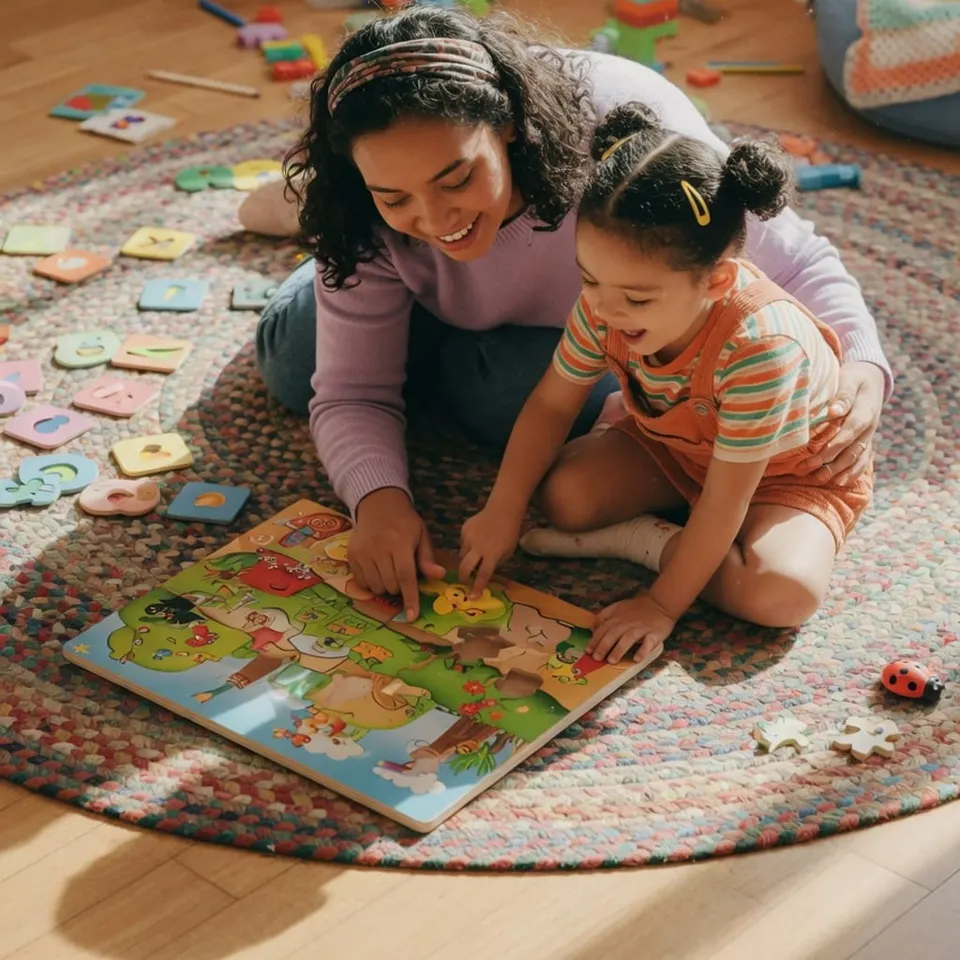
- Choose activities with clear rules. Building with LEGO, doing a puzzle, or baking cookies are better than open-ended imaginative play.
- Prepare your child in advance. Use a social story to explain what will happen. For example, "First, Sam will arrive. We'll play with trucks for 20 minutes, then have a snack."
- Have a backup plan. If your child becomes overwhelmed, have a quiet space ready. It's okay to end the playdate early-try again another time.
- Be a social coach. Stay nearby to prompt your child if needed. You can say, "Alex, show Sam your favorite dinosaur. Sam, what's your favorite?"
- Debrief afterwards. Talk with your child about what went well and what was hard. Celebrate the wins, no matter how small.
Remember, every child develops social skills at their own pace. Some children may prefer to have one or two close friends, while others enjoy a wider circle. Both are okay. The goal is not to make your child "popular" but to help them feel connected and valued.
If you're feeling stuck, consider reaching out to Liftoff ABA for a consultation. Our team can assess your child's social strengths and challenges, and we'll work with you to create a plan that fits your family's life. No waitlists, no hassle, just support that starts now. Call (973) 436-5835 or visit liftoffaba.com to learn more.
- Friendship for autistic kids often looks different-parallel play and shared interests count.
- Practice social skills at home with role-play, visual scripts, and emotion coaching.
- Use NJ community programs like library sensory hours and park meetups for low-pressure practice.
- School supports (IEP/504) and NJ Early Intervention can target social goals.
- ABA therapy, like Liftoff ABA's in-home services, can break down social skills into steps.
- No waitlists at Liftoff ABA mean faster access to social skills support across NJ.
Not sure what your plan covers?
Liftoff ABA verifies your New Jersey insurance benefits for free, no obligation, usually the same day.
Check my coverageFrequently asked questions
What if my child doesn't seem interested in making friends?
How do I find social skills groups in New Jersey?
Can ABA therapy really help my child make friends?
What should I do if my child is being excluded at school?
Does Liftoff ABA accept NJ Medicaid (NJ FamilyCare)?
Start ABA therapy in New Jersey, no waitlist
We'll verify your insurance for free and map out your child's next steps. Most families start within weeks.
Apply for ABA