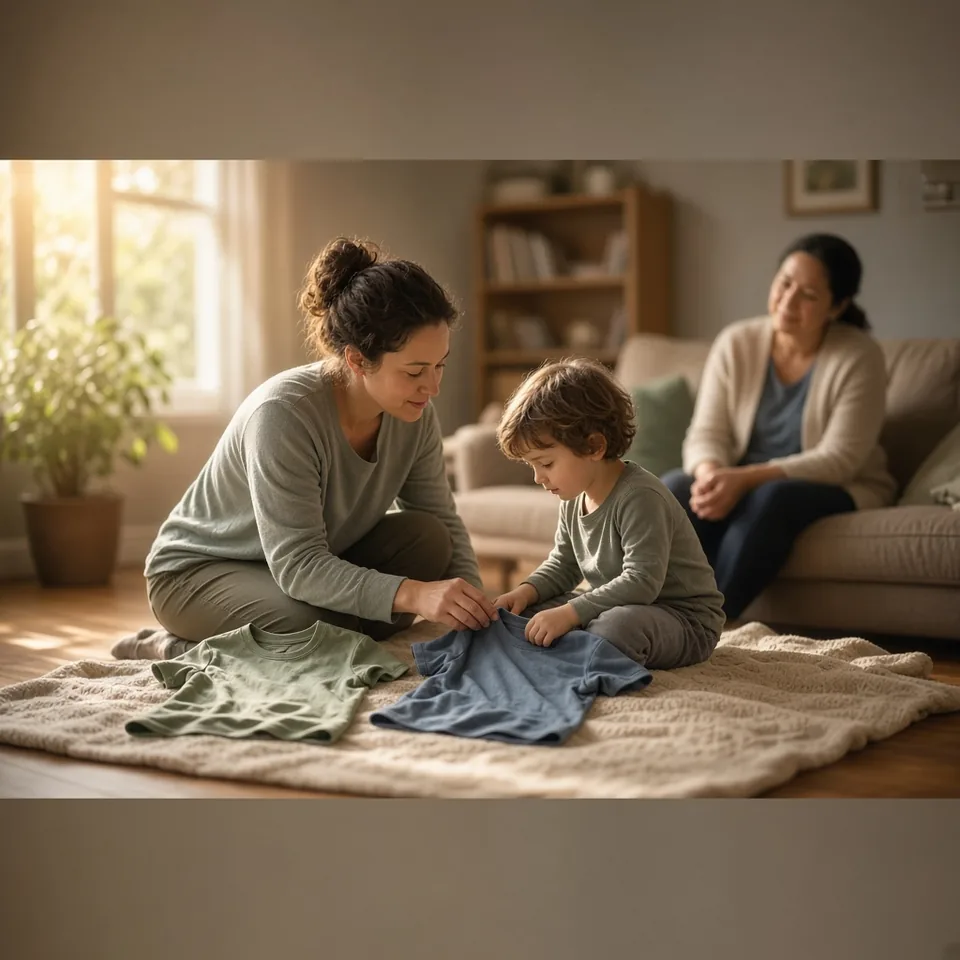
New Jersey's variable weather, from humid summers to snowy winters-can be especially challenging for autistic children with clothing sensitivities. This guide offers practical, season-specific strategies for choosing sensory-friendly fabrics, gradual desensitization, and using ABA therapy to build coping skills. Liftoff ABA provides personalized in-home support with no waitlists for NJ families.
Understanding the Connection Between Weather, Clothing, and Sensory Sensitivities
For many autistic children, the way clothing feels against the skin can be overwhelming. Tags, seams, waistbands, and certain fabrics may cause significant discomfort or even pain. When you add New Jersey's rapidly changing weather, from sticky summer humidity to biting winter winds, the challenge multiplies. A child who tolerates a soft cotton t-shirt in spring may refuse a winter coat because of its texture, weight, or the way it restricts movement.
These sensitivities are rooted in the sensory processing differences common in autism. The brain may over-respond to tactile input, making even a slight breeze or a scratchy sweater feel unbearable. Weather changes also disrupt routines: a sudden rainstorm may require a raincoat, or a cold snap may demand layers. For a child who thrives on predictability, these unexpected clothing shifts can trigger anxiety or meltdowns.
The key is to approach these challenges with empathy and a plan. By understanding your child's specific triggers, you can gradually build tolerance and create a supportive environment that respects their sensory needs while keeping them safe and comfortable in every New Jersey season.
Seasonal Strategies for New Jersey's Unpredictable Weather
Spring: Rain, Wind, and Layering
Spring in New Jersey brings rain showers and fluctuating temperatures. A lightweight, waterproof jacket may be necessary, but many children dislike the crinkly sound or sticky feel of rain gear. Try a soft-shell raincoat lined with fleece or cotton. If the child refuses a hood, use a wide-brimmed hat or umbrella instead. Layering is essential: start with a comfortable base layer (like a cotton long-sleeve) and add a zip-up hoodie that can be removed easily.
Prepare your child for spring weather changes with a visual schedule showing "rainy day" and "sunny day" clothing choices. Practice putting on and taking off layers during playtime so it becomes a familiar routine.
Summer: Heat, Humidity, and Sun Protection
New Jersey summers are hot and humid. Sweat can make clothing feel sticky, and sunscreen or insect repellent may add unpleasant textures. Choose lightweight, breathable fabrics like cotton, bamboo, or moisture-wicking athletic wear. Look for flat seams and tagless labels. For sun protection, consider UV-protective clothing that feels soft and doesn't require frequent reapplication of lotion.
If your child resists swimwear, try a swim shirt and shorts that mimic everyday clothing. Allow them to wear a hat or sunglasses if they prefer. Keep a cool, quiet space indoors where they can take breaks from the heat. Use a fan or cooling towel to help regulate body temperature.
Fall: Cooler Temperatures and Wind
Fall in New Jersey can be crisp and breezy. A light jacket or sweater may be needed, but the transition from summer clothes can be jarring. Introduce fall clothing gradually-start with a fleece vest that doesn't cover the arms, then move to a full jacket. Fleece is often more tolerable than wool or nylon. Windbreakers can be lined with a soft fabric to reduce noise and texture issues.
Use social stories about "getting ready for fall" to explain why we wear warmer clothes. Let your child choose between two acceptable options (e.g., blue fleece vs. green fleece) to give them a sense of control.
Winter: Heavy Coats, Hats, Gloves, and Boots
Winter is often the most difficult season for children with clothing sensitivities. Heavy coats can feel restrictive, hats may cause head pressure, gloves can be too tight, and boots may be heavy or stiff. Start desensitization early-in late fall, let your child wear the winter coat for short periods indoors while engaging in a preferred activity. Gradually increase the time.
Look for coats with a soft lining (fleece or microfleece) and a smooth outer shell. For hats, try a soft beanie or a hooded coat instead. Mittens are often easier than gloves because they don't separate fingers. Boots should be lightweight and easy to put on; consider slip-on styles with wide openings. Use a visual timer to show how long they need to wear each item before going inside.
Remember that New Jersey winters can be harsh, but safety is paramount. If your child absolutely cannot tolerate a coat, explore alternatives like heated vests worn under a loose sweatshirt, or multiple thin layers instead of one heavy coat. Always consult your child's doctor or occupational therapist for individualized advice.
Choosing Sensory-Friendly Clothing: Fabrics, Fits, and Features
Building a wardrobe that works for your child starts with understanding fabric preferences. Soft, natural fibers like cotton, bamboo, and modal are generally well-tolerated. Avoid wool, scratchy synthetics, and rough denim unless your child specifically prefers them. Many brands now offer sensory-friendly lines with flat seams, tagless labels, and adjustable waistbands.
Consider these features when shopping:
- Seamless or flat-seam construction to reduce rubbing.
- Tagless labels or removable tags.
- Elastic waistbands that are not too tight.
- Zip-front or snap closures instead of buttons or ties.
- Moisture-wicking fabrics for active play.
- Compression clothing if your child finds deep pressure calming.
Let your child touch and explore new clothing before buying. Cut out tags and wash items several times to soften them. Having a few "safe" outfits that your child loves can serve as a backup on difficult days.
Practical Tips for Dressing Your Child with Autism
Daily dressing routines can become smoother with a few simple strategies:
- Create a visual dressing chart with pictures of each item in order (e.g., underwear, socks, pants, shirt).
- Offer limited choices to empower your child without overwhelming them.
- Use a "first, then" approach: "First put on your coat, then we go to the park."
- Practice in a calm environment with minimal distractions.
- Respect sensory breaks-if your child becomes overwhelmed, pause and try again later.
- Keep extra clothing in the car for unexpected weather changes.
For children who resist wearing certain items altogether, consider gradual exposure. For example, if they hate hats, start by having them hold the hat, then place it on their head for one second while singing a favorite song, then slowly increase the duration. Pair each step with praise or a small reward.
How In-Home ABA Therapy Can Help with Weather and Clothing Challenges
Applied Behavior Analysis (ABA) therapy is a powerful tool for addressing sensory sensitivities and building adaptive skills. At Liftoff ABA, we provide in-home ABA therapy across New Jersey, designed and supervised by Board Certified Behavior Analysts (BCBAs). Our one-dedicated-therapist model ensures consistent, individualized support right in your child's natural environment-where weather and clothing challenges actually occur.
Your BCBA will conduct a functional assessment to understand the specific triggers and functions of your child's behavior around dressing. Then they'll create a personalized plan that may include:
- Desensitization protocols to gradually increase tolerance for specific clothing items.
- Token systems to motivate cooperation during dressing.
- Self-regulation strategies like deep breathing or requesting a break.
- Parent training to help you implement techniques consistently.
Because Liftoff ABA has no waitlists, most families can start services within weeks. We accept most major insurance plans, including NJ Medicaid (NJ FamilyCare), and offer free insurance verification. If your child is under three, we can coordinate with the New Jersey Early Intervention System (NJEIS). For older children, we work with school districts and PerformCare to ensure continuity of care.
When to Seek Professional Support
While many families successfully manage clothing sensitivities with patience and creativity, some situations benefit from professional guidance. Consider reaching out for help if:
- Your child's refusal to wear weather-appropriate clothing poses a safety risk (e.g., going outside without a coat in winter).
- Dressing struggles cause significant distress or meltdowns every day.
- Your child's sensory sensitivities interfere with school attendance or community outings.
- You feel overwhelmed and unsure how to proceed.
New Jersey offers several resources. The New Jersey Early Intervention System (NJEIS) provides services for children birth to three. For children over three, your local school district's child study team can evaluate for occupational therapy or other supports. PerformCare (New Jersey's mental health and behavioral health system) can connect you with behavioral health services. And of course, in-home ABA providers like Liftoff ABA are here to help you navigate these challenges with evidence-based strategies tailored to your child and family.
Remember, you are not alone. With the right tools and support, your child can learn to cope with New Jersey's ever-changing weather and the clothing it requires-one small step at a time.
- Understand your child's unique sensory triggers related to weather and clothing textures.
- Use gradual desensitization and visual schedules to prepare for seasonal transitions.
- Choose sensory-friendly fabrics (cotton, bamboo) and tagless, seamless clothing.
- Adapt your home environment with temperature control and a calming space for dressing.
- ABA therapy can teach coping strategies like self-regulation and requesting breaks.
- Liftoff ABA offers BCBA-designed, in-home plans with no waitlists across New Jersey.
Not sure what your plan covers?
Liftoff ABA verifies your New Jersey insurance benefits for free, no obligation, usually the same day.
Check my coverageFrequently asked questions
What fabrics are best for autistic children with clothing sensitivities?
How can I help my child tolerate wearing a winter coat in New Jersey?
Does Liftoff ABA accept NJ Medicaid (NJ FamilyCare) for autism therapy?
What should I do if my child refuses to wear sunscreen or insect repellent in summer?
Can ABA therapy help with sensory issues related to clothing and weather?
Start ABA therapy in New Jersey, no waitlist
We'll verify your insurance for free and map out your child's next steps. Most families start within weeks.
Apply for ABA