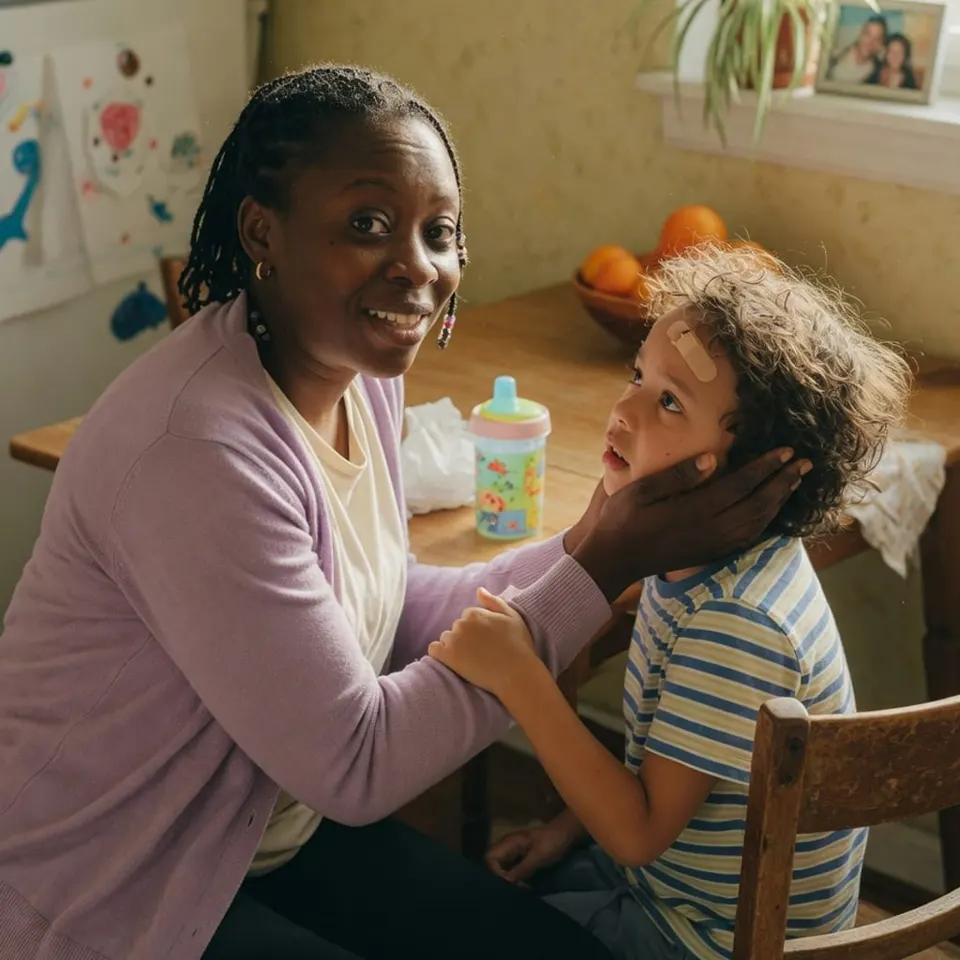
ABA therapy for toddlers aged 2-3 is a play-based, individualized approach that helps build communication, social, and daily living skills. In New Jersey, early intervention services and insurance mandates can help cover the cost, and in-home providers like Liftoff ABA offer BCBA-designed programs without waitlists.
Understanding ABA Therapy for Toddlers
Applied Behavior Analysis (ABA) therapy is a scientifically backed approach that helps children learn new skills and reduce behaviors that might interfere with daily life. For toddlers aged 2-3, ABA is not about sitting at a desk or completing worksheets. Instead, it uses play, natural routines, and positive reinforcement to teach communication, social interaction, and self-help skills. At this age, the brain is highly adaptable, making early intervention particularly powerful.
In New Jersey, families have access to a range of resources, including the New Jersey Early Intervention System (NJEIS) for children under three. If your toddler has received an autism diagnosis or is showing developmental delays, you might be wondering what ABA therapy looks like in practice. This guide will walk you through the process, from initial assessment to daily sessions, and help you understand how to navigate services in your state.
Why Early Intervention Matters for Toddlers
The early years are a critical window for development. Research shows that early intensive behavioral intervention can lead to significant gains in IQ, language, and adaptive behavior for many children with autism. While every child is unique, starting therapy before age 3 often means that skills like requesting, labeling, and social engagement are learned more naturally, before challenging behaviors become entrenched.
In New Jersey, the state's autism insurance mandate requires many private insurers to cover medically necessary ABA therapy for children with autism, with no age caps for medically necessary treatment. Additionally, NJ Medicaid (NJ FamilyCare) covers ABA for eligible children. This means that for many families, cost may not be the primary barrier to accessing care.
What to Expect in the First Few Weeks
When you begin ABA therapy with a provider like Liftoff ABA, the process typically starts with a comprehensive assessment. A Board Certified Behavior Analyst (BCBA) will meet with you and your child to learn about their strengths, challenges, and preferences. They will also observe your child in your home, which is the most natural setting for a toddler.
Initial Assessment and Goal Setting
The BCBA will conduct a functional behavior assessment (FBA) to understand the reasons behind certain behaviors. They will also use standardized tools to evaluate your child's current skills in areas like communication, play, and daily living. Based on this, they will create a personalized treatment plan with specific, measurable goals. For a 2-3 year old, goals might include:
- Increasing vocalizations or using picture cards to request items.
- Following simple one-step instructions like 'come here' or 'give me'.
- Engaging in parallel play or simple turn-taking with a sibling or parent.
- Learning to tolerate transitions, like moving from playtime to mealtime.
- Developing self-help skills such as washing hands or putting on a coat.
Who Provides the Therapy?
In most ABA programs, a dedicated therapist (often called a Registered Behavior Technician or RBT) works directly with your child, while the BCBA designs the plan and supervises the therapy. At Liftoff ABA, each child is matched with one consistent therapist to build trust and rapport. The BCBA regularly reviews progress and adjusts the plan as your child grows.
The Daily Structure of In-Home ABA Sessions
In-home ABA sessions for toddlers are typically 2-3 hours long, several times per week. The exact schedule depends on your child's needs and your family's availability. During a session, the therapist might engage your child in a variety of activities that blend learning with play.
Natural Environment Teaching
One of the most effective approaches for toddlers is Natural Environment Teaching (NET). This means the therapist uses your child's natural interests and daily routines as the context for learning. For example, if your child loves playing with cars, the therapist might use cars to teach requesting ('car' or 'want car'), colors, or turn-taking. If your child is having a snack, the therapist might work on requesting 'more' or 'cracker'. This approach makes learning meaningful and fun.
Structured Teaching and Play
While play is central, there is also a place for structured teaching. The therapist might use a table or a mat for short, focused activities like matching pictures, sorting objects, or practicing imitation. These sessions are kept brief (often 2-5 minutes) and are always followed by a rewarding activity. The goal is to build attention and learning readiness without causing frustration.
Parent Involvement
You are your child's first and most important teacher. In-home ABA includes parent training as a core component. The BCBA will teach you strategies to use between sessions, such as how to prompt your child to communicate, how to reinforce positive behaviors, and how to handle difficult moments. This consistency helps your child generalize skills across settings and people.
How ABA Addresses Challenging Behaviors in Toddlers
Toddlers with autism may exhibit behaviors like tantrums, aggression, or self-injury. These behaviors often serve a purpose, such as escaping a demand, gaining attention, or accessing a preferred item. ABA therapy uses a functional approach to understand the 'why' behind the behavior and then teaches more appropriate ways to get those needs met.
For example, if a child throws a tantrum when asked to clean up toys, the therapist might teach the child to request 'more time' or to use a visual schedule to understand the routine. The BCBA will also work with you to ensure that the intervention is consistent across home and other settings. Over time, the challenging behavior is replaced with a functional communication skill.
Navigating Insurance and Early Intervention in New Jersey
One of the biggest concerns for parents is how to pay for ABA therapy. In New Jersey, there are multiple pathways:
- Private Insurance: New Jersey's autism insurance mandate requires many private plans to cover ABA therapy. Coverage details vary, so it's important to review your policy.
- NJ Medicaid (NJ FamilyCare): This program covers ABA therapy for eligible children, and Liftoff ABA accepts NJ FamilyCare.
- New Jersey Early Intervention (NJEIS): If your child is under three, NJEIS can provide developmental services, which may include ABA or other therapies. However, NJEIS services are typically provided through the state's system, and ABA may be covered under your insurance as well.
Liftoff ABA offers free benefits verification to help you understand your coverage. Our team works with your insurance provider to confirm what is included, so you can focus on your child's progress rather than paperwork. And because we are an in-home provider with no waitlists, most families can start therapy within weeks of their initial call.
Choosing the Right ABA Provider for Your Toddler
Selecting an ABA provider is a significant decision. Here are some factors to consider:
- BCBA Involvement: Ensure that a BCBA designs and supervises the treatment plan. Ask how often the BCBA is on-site.
- Therapist Consistency: A single dedicated therapist can build a stronger rapport with your child. Ask about how therapists are matched.
- In-Home vs. Center-Based: For toddlers, in-home therapy often reduces stress and helps with generalization. Consider what environment your child will thrive in.
- Family Training: The best programs include parent and caregiver training as part of the package.
- Waitlist Length: Early intervention is time-sensitive. Ask about availability.
At Liftoff ABA, we pride ourselves on being a family-centered, in-home provider across New Jersey. Our BCBA-led programs are tailored to each child's unique needs, and we accept most major insurance plans, including NJ Medicaid. With no waitlists, we help families get started quickly, because we know that every day matters in early childhood.
If you have questions about whether ABA therapy is right for your toddler, or if you'd like to learn more about your insurance coverage, we encourage you to reach out. Call us at (973) 566-3180 for a free consultation. We're here to support your family on this journey.
- ABA therapy for toddlers is play-based and focuses on natural learning moments, not rigid drills.
- Early intervention (before age 3) can significantly improve outcomes, and NJ offers Early Intervention (NJEIS) support.
- In-home ABA allows therapists to work with your child in their most comfortable environment, using everyday routines.
- NJ's autism insurance mandate and NJ Medicaid (NJ FamilyCare) often cover ABA therapy for eligible children.
- Liftoff ABA provides BCBA-designed, in-home therapy with no waitlists, so families can start within weeks.
Not sure what your plan covers?
Liftoff ABA verifies your New Jersey insurance benefits for free, no obligation, usually the same day.
Check my coverageFrequently asked questions
At what age can my toddler start ABA therapy in New Jersey?
How many hours of ABA therapy does a toddler need?
Is ABA therapy covered by NJ Medicaid (NJ FamilyCare)?
What is the role of a BCBA in toddler ABA therapy?
Can I be involved in my toddler's ABA sessions?
Start ABA therapy in New Jersey, no waitlist
We'll verify your insurance for free and map out your child's next steps. Most families start within weeks.
Apply for ABA