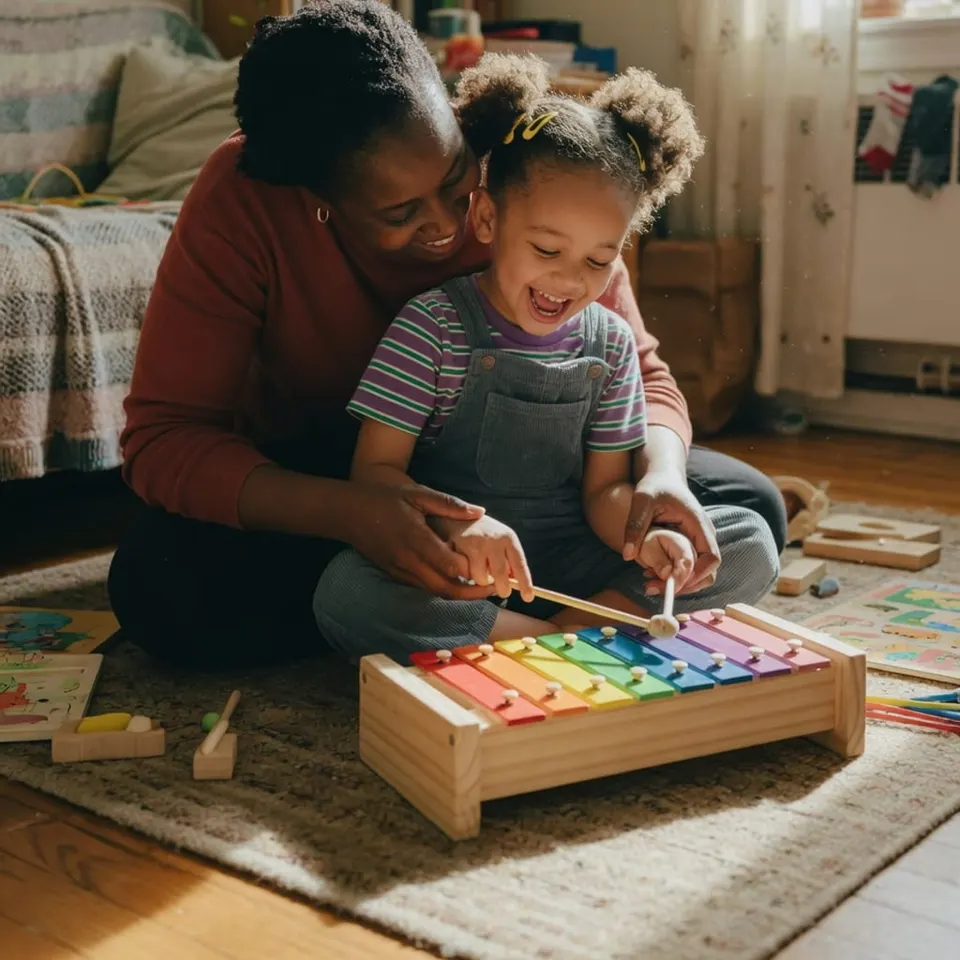
Success in ABA is not only measured by graphs and skill counts. Parents can also judge progress by whether their child is more comfortable, communicating more, joining everyday routines, and whether the family feels supported. Data matters, but it should always connect back to meaningful, real-life outcomes.
| Lens | What it shows | Parent question |
|---|---|---|
| Graphs and targets | Skill acquisition and trends | Is the number moving in the right direction? |
| Daily life | Use of skills at home and out | Does this skill help us during routines? |
| Wellbeing | Comfort, mood and stress | Is my child more relaxed and engaged? |
| Family life | Routines, sleep and connection | Does our household feel more manageable? |
| Independence | Choice-making and self-care | Can my child take part in more decisions? |
Why numbers alone do not tell the whole story
Data are essential in applied behavior analysis, because they show whether a skill is changing over time. Yet a rising line on a graph does not always mean a child's life is getting better. Families in New Jersey often find that the most meaningful progress is visible in ordinary moments, such as a child asking for help at the dinner table or calmly handling a change in plans.
Good ABA is built around measurable goals, but the goals themselves should reflect what matters to the child and the family. When progress is judged only by counts and percentages, important changes can be missed. A thoughtful plan keeps the data and also keeps asking whether daily life is improving.
Data is a tool, not the finish line
- Graphs reveal patterns, such as which prompts work and how quickly skills generalize.
- Targets are a means to an outcome, not the outcome itself.
- A skill mastered in a therapy room should also show up at home, school and in the community.
Signs of progress you can see at home
Many of the clearest signs of progress happen outside of any session. Parents are often the first to notice when a child begins using a new word spontaneously, tolerating a haircut or joining a sibling in play. These observations are valuable, and they belong in your conversations with the clinical team.
Everyday communication and connection
- Requests made with words, gestures, pictures or devices, even when they are imperfect.
- More back-and-forth interaction, such as sharing a joke or responding to a name.
- Greater willingness to seek comfort or share feelings.
Flexibility and coping
- Recovering more quickly after a disruption to a routine.
- Trying a new food, place or activity with less distress than before.
- Using a learned calming strategy without a reminder.
Wellbeing matters as much as skill
A child's comfort, mood and sense of safety are central to any meaningful outcome. ABA should help a child learn skills that make life easier and more enjoyable, not simply produce compliance. If your child seems anxious, withdrawn or exhausted by sessions, that is important information to share with the BCBA right away.
Look for signs that your child is engaged rather than merely complying. Does your child seem curious, relaxed and willing to try things? Are they laughing, exploring and returning to favorite activities? These are signs of a child who is thriving.
How family life reflects progress
ABA affects the whole household, so family wellbeing is a legitimate measure of success. Parents may notice more predictable mornings, fewer crises at bedtime, or more time for siblings and couple connection. A plan that drains the family, even while skills rise, should be reviewed together.
Questions to ask yourself each month
- Are our routines more manageable than they were three months ago?
- Do we have time to rest and to enjoy our child?
- Do siblings feel included and understood?
- Do we feel confident explaining the plan to relatives and teachers?
Setting goals that reflect your child and family
The most useful goals are specific, observable and connected to daily life. Instead of focusing only on a count of correct responses, consider how a skill will be used. For example, a goal to request a break with a picture card serves a real purpose in school, while a goal to match shapes may matter less to your child's day.
Qualities of a strong goal
- It describes a behavior your family can see and recognize.
- It has a clear reason, such as reducing frustration or increasing independence.
- It can be practiced in more than one setting and with more than one person.
Involving your child in the process
Where appropriate, include your child's preferences and voice. Some children can express what they enjoy or what feels hard. Others communicate through behavior, and the team can learn to read those signals. Either way, a plan that respects a child's interests tends to produce more lasting gains.
How to review progress with your BCBA
Regular, open conversations keep the plan honest. A strong review includes both the data and the parent's observations. Bring specific examples from home, such as a new phrase used at the store or a bedtime routine that went more smoothly. Ask the BCBA how the data supports these changes and where it does not.
Questions that open a productive review
- What changed this month that we would not see on a graph?
- Which goals are working well in everyday life, and which need adjusting?
- How is my child feeling during sessions and afterward?
- What can we practice at home that supports the plan?
Staying aligned as your child grows
Priorities shift as children grow. A goal that mattered at age four may give way to school readiness, friendships, independent travel or planning for adulthood. Periodic reassessment helps keep ABA relevant and humane. Families can also draw on school teams, pediatricians and community resources for a broader view of their child.
At Liftoff ABA, we deliver in-home, BCBA-designed therapy across New Jersey with no waitlists for most families, and we encourage parents to share the observations that matter most to them. You can reach our team at (973) 436-5835 to talk through what progress looks like for your child.
- Graphs show trends, but daily life shows whether skills are truly useful.
- Ask whether your child is happier, calmer and more confident at home and in the community.
- Family wellbeing, routines and sibling relationships are valid signs of progress.
- Goals should reflect what your family values, not just what is easy to count.
- Expect a good BCBA to explain data in plain language and welcome your observations.
- Review progress regularly and adjust the plan when outcomes stop matching your priorities.
Not sure what your plan covers?
Liftoff ABA verifies your New Jersey insurance benefits for free, no obligation, usually the same day.
Check my coverageFrequently asked questions
How do I know if ABA is really working for my child?
Should I rely only on the data my BCBA shares?
What if my child is making progress on goals but seems unhappy?
How often should we review progress?
Can family wellbeing really be a goal of ABA?
Start ABA therapy in New Jersey, no waitlist
We'll verify your insurance for free and map out your child's next steps. Most families start within weeks.
Apply for ABA