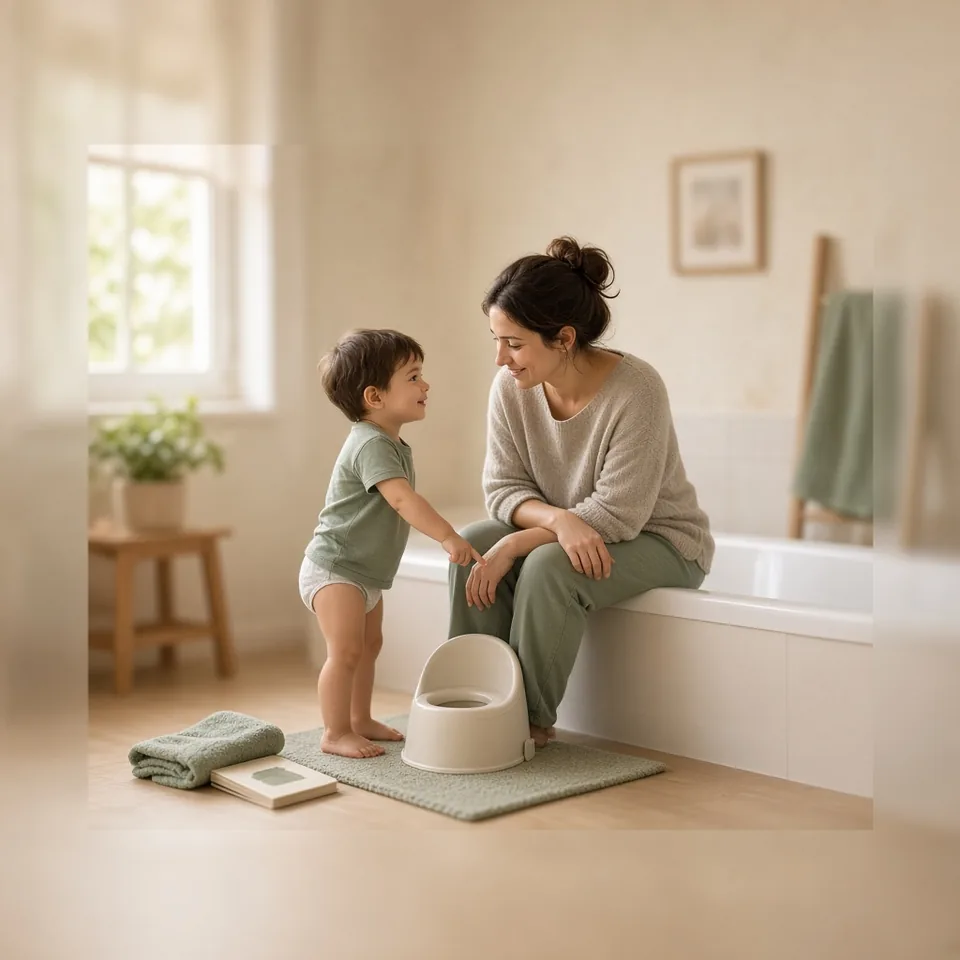
Toilet training a child with autism often requires a structured, individualized approach. Applied Behavior Analysis (ABA) breaks the process into small, teachable steps using positive reinforcement. In New Jersey, Liftoff ABA offers in-home, BCBA-led toilet training programs with no waitlists, accepting NJ Medicaid and most major insurance.
Why ABA for Toilet Training?
Toilet training can be one of the most challenging milestones for families of children with autism. Sensory sensitivities, communication difficulties, and resistance to change can make the process feel impossible. Applied Behavior Analysis (ABA) offers a proven, evidence-based framework that breaks the skill down into manageable steps. Instead of expecting a child to learn everything at once, ABA focuses on reinforcing small approximations - like sitting on the toilet for a few seconds, then gradually increasing time and eventually producing a successful void.
ABA is not a one-size-fits-all approach. A Board Certified Behavior Analyst (BCBA) assesses your child's unique needs, preferences, and sensory profile to design a plan that works for your family. In New Jersey, families can receive ABA in the home, which is especially helpful for toilet training because it happens in the natural environment where the routine will be practiced every day.
Signs of Readiness
Before starting, it helps to look for signs that your child is physically and behaviorally ready. While every child develops at their own pace, common readiness indicators include:
- Staying dry for at least two hours at a time
- Showing awareness of wet or soiled diapers (e.g., tugging, hiding, or verbalizing discomfort)
- Having predictable bowel movements
- Being able to follow simple one-step instructions
- Imitating others, such as going to the bathroom when a parent goes
- Showing interest in the toilet or potty chair
If your child isn't showing these signs yet, that doesn't mean you cannot start. ABA can also target pre-readiness skills, such as sitting tolerance and communication. A BCBA can help you determine the right time to begin.
Key Components of an ABA Toilet Training Plan
Positive Reinforcement
Reinforcement is the engine of ABA. For toilet training, this means finding rewards that are highly motivating to your child - it could be a favorite snack, a few minutes of a preferred video, or a social activity like a tickle game. The key is to deliver the reinforcer immediately after a successful step, such as sitting on the potty, pulling down pants, or actually voiding. Over time, the reinforcement schedule is faded as the skill becomes routine.
Task Analysis and Chaining
ABA breaks toilet training into a sequence of small actions: walking to the bathroom, pulling down pants, sitting, eliminating, wiping, pulling up pants, flushing, and washing hands. Each step is taught separately, often using forward or backward chaining. For example, you might start by having your child flush the toilet while you do all the other steps, then gradually add more steps as they master each one.
Consistency Across Environments
Children with autism often struggle with generalization - using a skill in different places or with different people. Toilet training is most successful when everyone who cares for the child uses the same language, prompts, and reinforcement. In New Jersey, many families work with a home-based ABA provider like Liftoff ABA, which ensures that the BCBA and therapist train parents, grandparents, and even school staff to maintain consistency.
Data Collection
A BCBA will track every instance of successful voids, accidents, and prompts. This data helps identify patterns - for example, your child may always need to go 30 minutes after drinking juice. Data-driven decisions allow the team to adjust the plan quickly and avoid frustration.
Step-by-Step: What the Process Looks Like
Every ABA toilet training plan is individualized, but most follow a similar progression:
- Baseline: The BCBA observes your child's current toileting habits for 3-5 days without any training. This tells you how often accidents happen and whether there are any timing patterns.
- Build comfort: Pair the bathroom with fun activities - read a book on the potty, blow bubbles while sitting, or play a tablet game. The goal is to reduce anxiety and resistance.
- Schedule sits: Take your child to the bathroom at predictable times (e.g., every 30-60 minutes) based on baseline data. Use gentle prompts and reinforce sitting, even if nothing happens.
- Increase fluids: During training hours, offer favorite drinks to increase opportunities for success. This should be done with medical guidance if your child has dietary restrictions.
- Reinforce successes: When your child voids in the toilet, provide immediate, enthusiastic praise and a high-value reward. Accidents are handled neutrally - no punishment, just a quick clean-up and a return to the routine.
- Fade assistance: As your child becomes more independent, reduce verbal prompts and gradually move the reinforcement to a delayed schedule, such as a reward after washing hands or after staying dry for a full hour.
- Generalize: Practice at Grandma's house, in public restrooms, and during therapy sessions so the skill transfers everywhere.
Overcoming Common Challenges
Sensory Issues
Many children with autism have difficulty with the sensation of the toilet seat, flushing noise, or the feeling of wetness. An ABA therapist can gradually desensitize your child using preferred activities and careful exposure. For example, start with a potty chair in the living room, then slowly move it closer to the bathroom over days or weeks.
Communication Barriers
If your child is non-speaking or has limited language, ABA can incorporate picture cards (PECS), sign language, or a speech-generating device to request the bathroom. Teaching a reliable way to ask - even with a simple gesture - can prevent accidents and reduce frustration.
Fear of the Toilet
Some children are afraid of falling in or of the flushing sound. Using a small potty chair, letting your child flush only when they're ready, and pairing the bathroom with calming activities can help. A BCBA may also use shaping - first rewarding just touching the seat, then sitting on it with clothes on, then with clothes off.
Constipation and Medical Issues
Always involve your pediatrician before starting intensive toilet training. Chronic constipation or other medical conditions can make training painful and ineffective. ABA plans often include collaboration with medical providers to ensure your child is comfortable and healthy.
New Jersey Resources for ABA Toilet Training
New Jersey has some of the strongest insurance mandates for autism treatment in the country. Under state law, most private health plans must cover medically necessary ABA therapy, including toilet training as a daily living skill. NJ Medicaid (NJ FamilyCare) also covers ABA for eligible children, and NJ Early Intervention (NJEIS) can provide ABA services for children under age three. For school-age children, many county special-services school districts offer ABA support that can be coordinated with home-based training.
Liftoff ABA is an in-home provider serving families across New Jersey. Because all therapy takes place in your home, toilet training is taught right where you need it - in your own bathroom. Liftoff ABA has no waitlists, so most families can begin working with a BCBA within weeks. They accept NJ Medicaid (NJ FamilyCare) and most major insurance plans, and they offer free insurance verification. You can reach them at (973) 436-5835 to discuss your child's needs.
If you are early in your journey, PerformCare (the state's mental health and behavioral health access center) can help connect you to resources and providers. Combining these supports with a structured ABA plan gives your child the best chance for success.
Partnering with Your Child's Team
Toilet training is a team effort. Your BCBA should train you and any other caregivers on the specific procedures so everyone responds the same way. Regular team meetings - in person or via telehealth - allow the BCBA to review data and adjust the plan. In new Jersey, many ABA providers offer parent training sessions as part of the therapy hours. Liftoff ABA, for example, provides ongoing parent coaching so you feel confident implementing strategies between sessions.
Remember that a sense of humor and patience are essential. There will be setbacks; the goal is to stay consistent and celebrate every small win. With ABA's systematic approach and the support of a qualified BCBA, most children with autism can achieve independent toileting.
Final Thoughts
Toilet training with ABA is not just about the skill itself - it's about building your child's independence, confidence, and quality of life. By using positive reinforcement, breaking the task into manageable parts, and involving your entire support network, you can make the process less stressful for everyone. If you are a New Jersey family looking for in-home ABA with no waitlists, Liftoff ABA is here to help. Reach out today for a free consultation and take the next step toward lasting success.
- ABA uses positive reinforcement and task analysis to make toilet training less overwhelming for children with autism.
- Readiness signs include staying dry for longer periods, showing discomfort with soiled diapers, and imitating bathroom behaviors.
- Consistency across home, school, and community settings is crucial for long-term success.
- New Jersey families can access ABA toilet training through NJ Medicaid (NJ FamilyCare), private insurance under the state autism mandate, and NJ Early Intervention (NJEIS).
- Liftoff ABA provides in-home, BCBA-designed toilet training with one dedicated therapist and no waitlists.
Not sure what your plan covers?
Liftoff ABA verifies your New Jersey insurance benefits for free, no obligation, usually the same day.
Check my coverageFrequently asked questions
At what age should I start toilet training with ABA?
Does NJ Medicaid cover ABA toilet training?
How long does ABA toilet training usually take?
Can ABA toilet training be done if my child is in school?
What if my child has accidents after being trained?
Start ABA therapy in New Jersey, no waitlist
We'll verify your insurance for free and map out your child's next steps. Most families start within weeks.
Apply for ABA