
Autism therapy for children helps them develop essential skills and improve their overall quality of life. It’s not a cure, but a way to support their learning and growth in areas like communication, social interaction, and daily living.
When we talk about autism therapy, we’re broadly referring to a range of interventions designed to support children on the autism spectrum. The goal is to help them navigate the world more effectively and reach their full potential. There are many different approaches, and what works best really depends on the individual child’s needs and strengths. It’s less about fixing something and more about providing tailored support to help them thrive.
What is Autism Spectrum Disorder (ASD)?
Autism Spectrum Disorder (ASD) is a neurodevelopmental condition that affects how a person perceives the world and interacts with others. It’s called a “spectrum” because it presents differently in each person. Some common characteristics include challenges with social communication and interaction, and restrictive or repetitive patterns of behavior, interests, or activities. These characteristics can vary significantly in their intensity and impact.
How Therapy Helps Children with ASD
Therapy for children with ASD is about building skills. It can address challenges in communication, social understanding, behavior regulation, and sensory processing. Therapists use structured, evidence-based approaches to teach new behaviors and reinforce positive ones. This often involves breaking down complex skills into smaller, manageable steps, providing visual aids, and creating predictable environments. The aim is to empower children to participate more fully in their families, schools, and communities.
For those interested in exploring effective approaches to autism therapy, a related article can be found at this link: Autism Therapy Techniques. This resource provides valuable insights into various therapeutic methods that can support individuals on the autism spectrum, highlighting the importance of tailored interventions and the role of family involvement in the therapeutic process.
Enhancing Communication Skills
Communication is a cornerstone of human interaction, and for many children with ASD, this is an area where therapy can make a significant difference. It’s not just about speaking words, but also understanding non-verbal cues and expressing needs and wants effectively.
Developing Verbal and Non-Verbal Communication
Therapy often focuses on both verbal and non-verbal communication. For some children, this might mean learning to speak for the first time, or expanding their vocabulary and sentence structure. For others, it might involve understanding and using gestures, facial expressions, or body language more appropriately. Therapists might use techniques like ‘modeling’ (showing the desired behavior) or ‘prompting’ (giving cues to encourage a response).
Alternative and Augmentative Communication (AAC)
When verbal communication is difficult, alternative and augmentative communication (AAC) systems can provide a vital pathway for expression. These can range from picture exchange communication systems (PECS) where children exchange images to communicate needs, to high-tech speech-generating devices or apps on tablets. AAC gives children a voice, reducing frustration and allowing them to participate more actively in interactions. It’s not a replacement for spoken language, but a valuable tool that can often even encourage verbal development.
Improving Social Reciprocity
Social reciprocity is the back-and-forth give and take of social interaction. This involves things like taking turns in a conversation, responding to others’ comments, and understanding implied meanings. Therapy can explicitly teach these skills through structured activities and role-playing. It helps children learn to initiate interactions, respond appropriately, and maintain joint attention, which are all crucial for building relationships.
Fostering Social Interaction
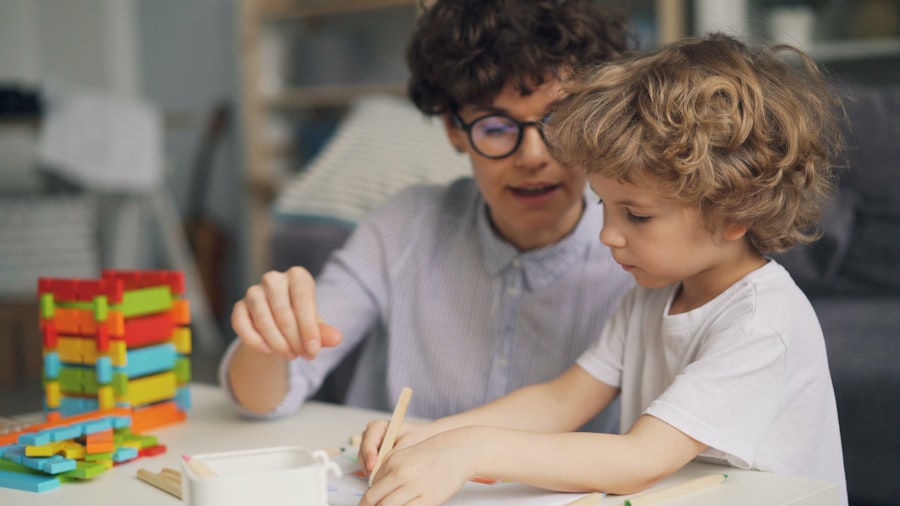
Building friendships and navigating social situations can be particularly challenging for children with ASD. Therapy provides a structured environment to learn and practice these skills. The aim is to equip them with the tools to connect with peers and participate in group settings.
Understanding Social Cues
Reading social cues, such as understanding tone of voice, body language, or facial expressions, can be difficult. Therapy often uses visual aids, social stories, and direct instruction to help children recognize and interpret these subtle signals. For example, therapists might use pictures to demonstrate different emotions and discuss what those emotions might mean in a given situation. This insight can prevent misunderstandings and promote smoother interactions.
Practicing Social Skills in Structured Environments
Social skills groups are a common and effective therapeutic approach. In these groups, children learn and practice social behaviors in a safe, controlled setting alongside their peers. This might involve learning how to share, take turns, start a conversation, or compromise. The therapist facilitates these interactions, providing real-time feedback and guidance, which is something they might not get in less structured environments.
Building and Maintaining Friendships
Therapy can also focus on the practical steps involved in building and maintaining friendships. This includes teaching children how to initiate play, resolve conflicts, and show empathy. Role-playing different scenarios, like inviting someone to play or dealing with disagreement, helps them develop confidence and competence in these vital social areas. The goal is to empower them to form meaningful connections, which are important for overall well-being.
Managing Challenging Behaviors
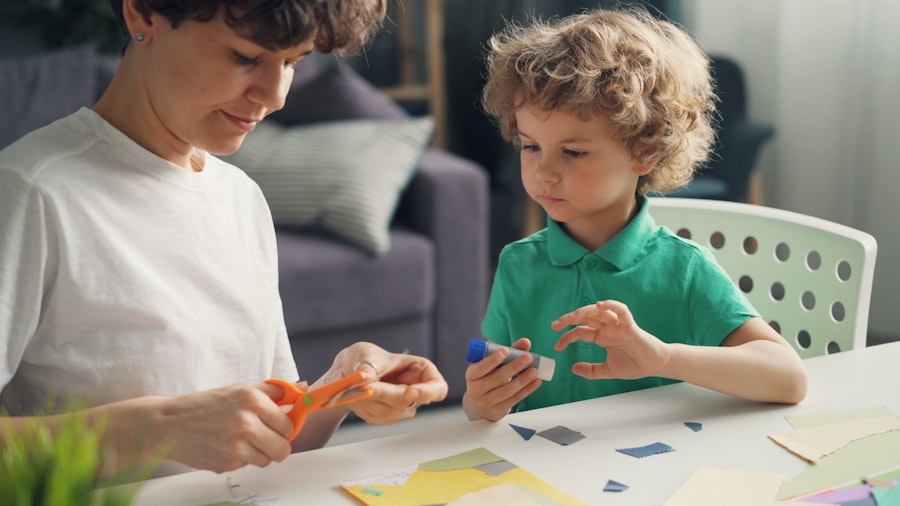
Children with ASD may sometimes exhibit behaviors that are difficult for them to control or that interfere with their learning and social interactions. Therapy offers strategies to understand the root cause of these behaviors and teach more adaptive responses.
Identifying Triggers and Functions of Behavior
A key component of behavior therapy is understanding why a particular behavior is happening. Is it due to sensory overload, frustration, a need for attention, or difficulty communicating? Therapists conduct functional behavior assessments (FBAs) to identify the triggers (what happens before the behavior) and the function (what the child gets or avoids by engaging in the behavior). This understanding is crucial for developing effective intervention plans.
Teaching Replacement Behaviors
Once the function of a challenging behavior is identified, therapy focuses on teaching replacement behaviors – new, more appropriate ways for the child to achieve the same outcome. For instance, if a child screams to get attention, they might be taught to tap an adult’s shoulder or use a communication device to ask for attention. The replacement behavior is taught systematically and reinforced, making it a more effective and socially acceptable option.
Developing Self-Regulation Strategies
Self-regulation refers to a child’s ability to manage their emotions, thoughts, and behaviors. Therapy can teach children strategies like deep breathing, counting, or using sensory tools to calm themselves when they feel overwhelmed or frustrated. These strategies empower children to cope with stress and navigate difficult situations more independently, reducing the frequency and intensity of challenging behaviors. It’s about giving them tools to manage their internal world.
Recent advancements in autism therapy have sparked interest in various approaches to improve outcomes for individuals on the spectrum. One such approach is highlighted in a related article that discusses new research findings in Applied Behavior Analysis (ABA) therapy, which can provide valuable insights for practitioners and families alike. By exploring these innovative techniques, caregivers can better support the unique needs of their loved ones. For more information, you can read the article on advancing ABA therapy.
Enhancing Daily Living and Adaptive Skills
| Therapy Type | Success Rate | Duration |
|---|---|---|
| Applied Behavior Analysis (ABA) | 60-90% | 20-40 hours per week |
| Speech Therapy | Varies | 1-3 times per week |
| Occupational Therapy | Varies | 1-2 times per week |
Beyond communication and social interaction, therapy also addresses practical skills that are essential for everyday independence. These are often referred to as adaptive skills, encompassing everything from personal care to community participation.
Promoting Independence in Self-Care
Skills like dressing, grooming, hygiene, and eating independently are vital for a child’s autonomy. Therapy can break down these complex tasks into smaller, teachable steps. For example, learning to brush teeth might be taught step-by-step: pick up brush, put on toothpaste, brush front teeth, brush back teeth, rinse. Visual schedules or checklists can also be used to help children remember the sequence and complete tasks consistently.
Developing Organizational and Executive Function Skills
Executive function skills include things like planning, organizing, time management, and problem-solving. For children with ASD, these skills can be particularly challenging. Therapy might involve teaching children how to use visual schedules to plan their day, create checklists for tasks, or use timers to manage their time. These strategies help them become more independent and capable of navigating daily routines.
Supporting Community Participation
Participating in community activities, like going to the grocery store, visiting the library, or getting a haircut, involves a variety of social and adaptive skills. Therapy can prepare children for these situations through exposure, practice, and social stories. For example, discussions and visual supports might be used to explain what to expect at a doctor’s appointment, reducing anxiety and making the experience more manageable. The goal is to help them feel comfortable and competent in various community settings.
Long-Term Benefits and Parental Support
The benefits of autism therapy often extend far beyond childhood, positively impacting a child’s development into adolescence and adulthood. Moreover, effective therapy usually involves significant parental involvement, making parents active participants in their child’s progress.
Preparing for School and Future Success
Early and consistent therapy can lay a strong foundation for success in school and beyond. By addressing communication, social, and behavioral challenges, therapy helps children learn more effectively in academic settings. It equips them with the skills needed to follow instructions, interact with teachers and peers, and manage classroom routines. These foundational skills are crucial for academic achievement and future independence.
Improving Family Dynamics and Quality of Life
When a child with ASD receives appropriate support, it often leads to a more harmonious family environment. Reduced challenging behaviors, improved communication, and increased independence can lessen family stress and enhance daily interactions. Therapy can also provide parents with strategies and tools to better understand and support their child, creating a more positive and empowering dynamic for everyone in the household.
Empowering Parents and Caregivers
Parents are integral to a child’s therapeutic journey. Therapy frequently includes parent training, where caregivers learn the same strategies and techniques used by therapists. This ensures consistency in approach across different environments and empowers parents to reinforce skills at home and in the community. Understanding how to manage behaviors, facilitate communication, and create supportive environments profoundly impacts a child’s progress and the family’s well-being. It helps parents feel more confident and effective in their role.